Quietly Crafted. Deeply Felt.
Quietly Crafted. Deeply Felt.
Blog Detail
25/08/2026 | 9 Min Read
How Gurgaon's Ultra-Luxury Buyers Are Briefing Interior Designers Differently in 2026
Sit through enough first client meetings over a few years and you start noticing patterns shift. The way Gurgaon's HNI and NRI buyers walk into a design conversation in 2026 looks genuinely different from how they did it even three or four years ago, and it's not a small shift. It changes what we prepare for before a meeting, how we present concepts, and honestly, how seriously we have to take our own process. As a luxury interior designer in Gurgaon firm that sits across from this exact client profile every week, here's what's actually changed.
They Arrive With References, Not Vague Wishes
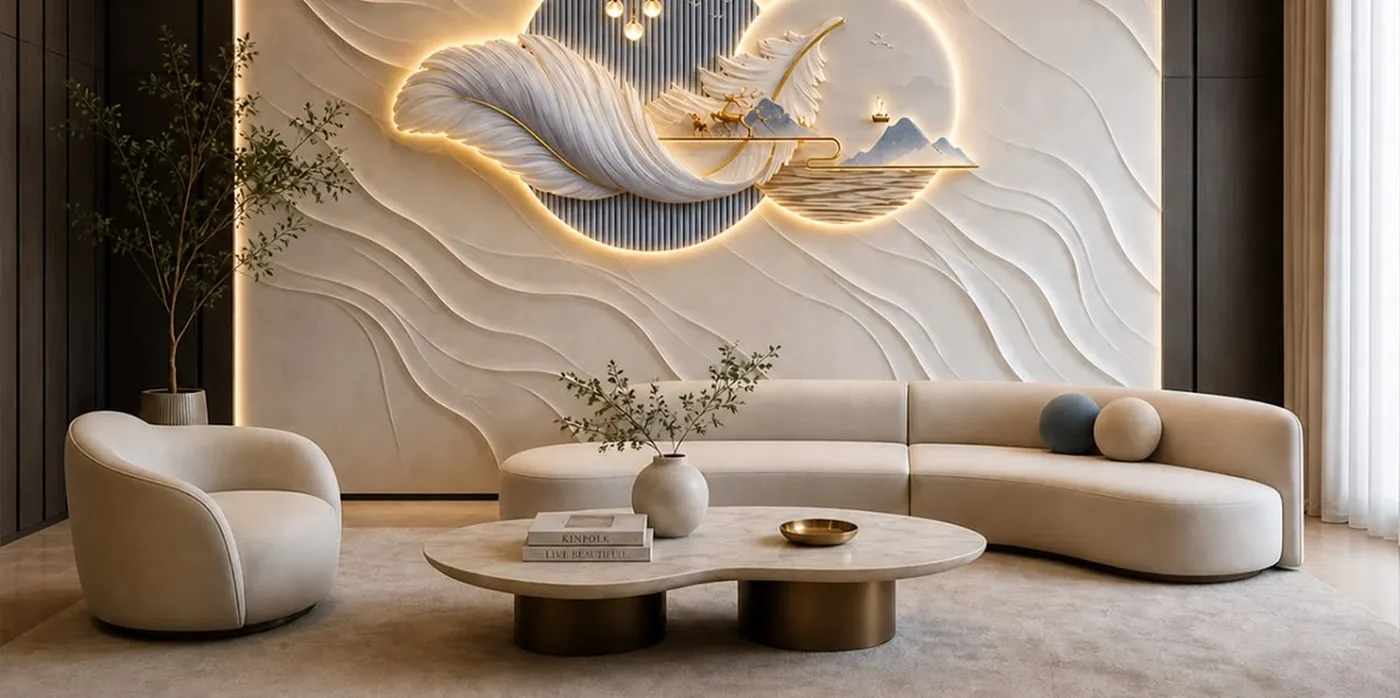
A few years back, a typical first brief sounded something like "we want something luxurious, modern, maybe a bit warm." Vague, workable, but requiring a lot of back-and-forth to translate into anything concrete. Today's buyer arrives with a Pinterest board, screenshots from design hotels they've stayed in, sometimes photos taken inside a friend's home in Singapore or London. They're globally travelled and design-literate in a way that simply wasn't as common a decade ago, and it shows in the specificity of what they bring to the table.
This is mostly a gift for a design studio, honestly. A specific reference is far easier to work with than a vague adjective. corporate interior designers in gurgaon But it also raises the bar considerably. Clients can now spot a generic, templated design proposal almost instantly, because they've seen enough real examples to know the difference between considered design and a mood board assembled to look impressive.
They Want to See It Before They Believe It
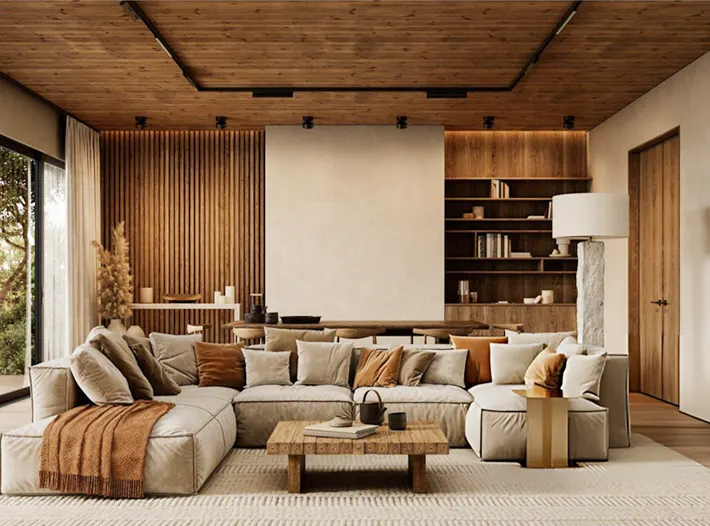
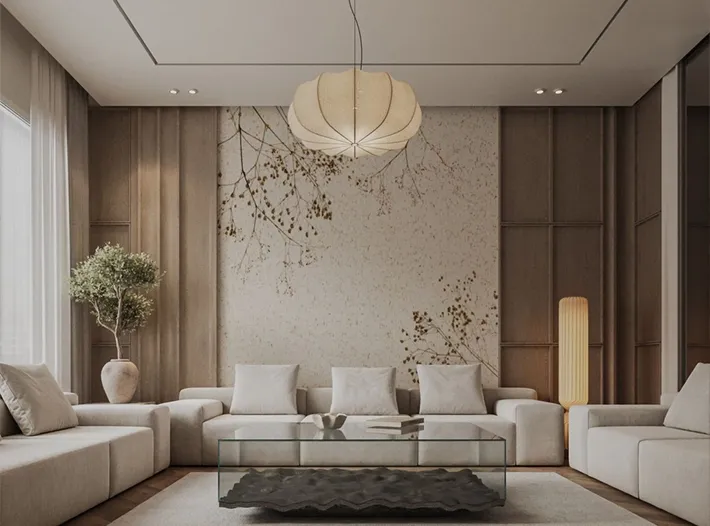
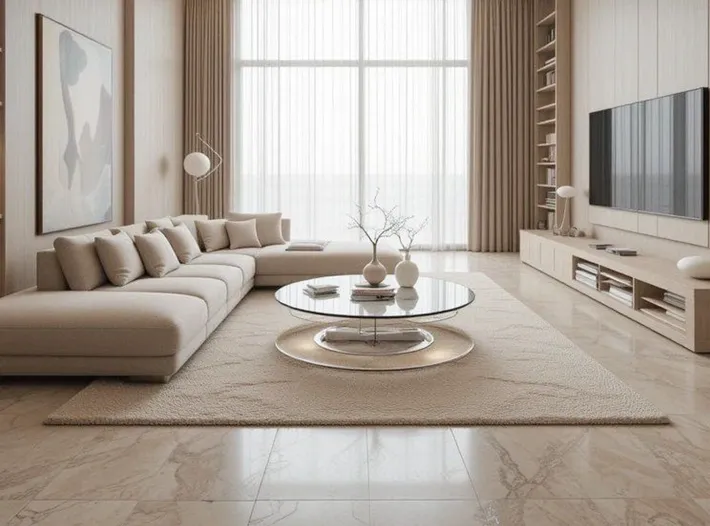
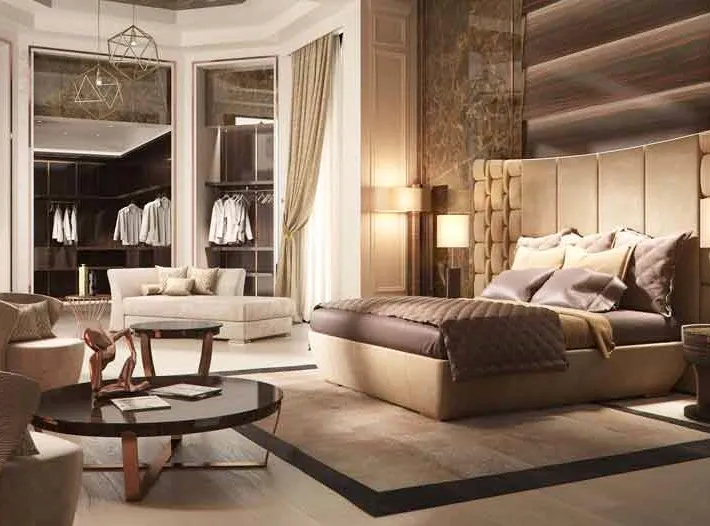
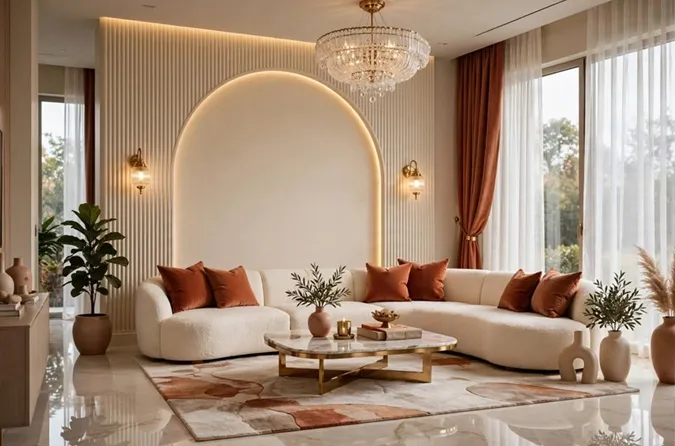
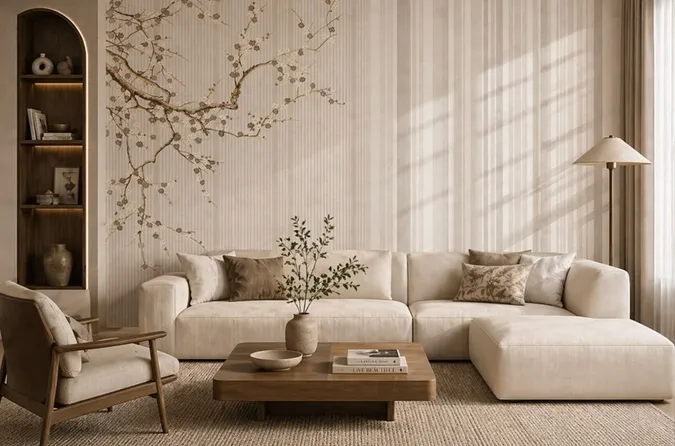
This is probably the single biggest shift we've seen. Ultra-luxury buyers today are far less willing to commit ₹1 crore or more based on 2D floor plans and material swatches. They want full 3D visualisation, photorealistic renders of every room, before they sign off on execution. Given that a meaningful share of our client base is NRI buyers who can't casually walk a site every week, this isn't a nice-to-have anymore, it's close to a baseline expectation. We built our entire process around this years ago, and it's increasingly the reason clients choose us over firms still working primarily off 2D plans and swatch boards.
They're Asking Harder Questions About Cost Certainty
This one surprised us less, given how much visible frustration there's been in the market around cost overruns, but the intensity of it is new. Buyers at this level now routinely ask, in the first meeting, how pricing works, whether the quote is a rough estimate or a firm BOQ, what happens if something changes mid-project. A few years ago, this conversation happened later, sometimes only after a problem arose.
Now it's front and center from the start, which tells you something about how many bad experiences are circulating in this market through word of mouth. interior design consultants gurgaon Our Zero Escalation Policy, a BOQ-based fixed price with no cost overruns after signing, answers exactly this question, and we've noticed it's become a genuine differentiator in these first conversations rather than just a nice line in a pitch deck.
Speed Matters More Than It Used To
Here's an interesting one: this client segment increasingly treats time as a cost, not just money. A lot of our current clients are actively working professionals, entrepreneurs, or NRIs who visit India for defined windows and want the home functional before they're back to travelling. "How fast can this actually be done" is now asked almost as early as "how much will this cost." Our 45-day execution timeline for full-home projects, once execution starts, resonates specifically because it respects that this client's time has real opportunity cost too.
Sustainability and Wellness Are Explicit Requests Now, Not Assumptions
A genuinely new addition to the brief in the last two years: buyers proactively asking about air quality systems, biophilic elements, low-VOC materials, and circadian lighting. This used to be something we'd suggest and clients would agree to. Now it often shows up unprompted in the very first conversation. It reflects a broader shift where luxury is increasingly tied to wellbeing rather than just visible opulence, quiet luxury that feels good to actually live inside, not just impressive to show guests.
They're More Willing to Say No to Trends
Here's where people get it wrong when they assume ultra-luxury buyers just want whatever's currently fashionable: a lot of our 2026 clients are explicitly asking us to avoid anything that will look dated in five years. They've seen enough over-designed homes from the last decade's trend cycles to be wary of chasing the current one blindly. This has actually made our job more interesting, because it shifts the conversation from "what's trending" to "what will this family actually still love living in a decade from now," which is a much better question for a designer to be answering anyway.
What This Means for How We Work
All of this adds up to buyers who are more informed, more demanding, and honestly, easier to design well for once you understand what they're actually optimising for. Parul Agarwal, who heads design at Native Sutra , and Vineet Agarwal, who leads growth and strategy, built the studio's process, 3D visualisation upfront, BOQ-based fixed pricing, structured milestone execution, specifically around what this buyer profile needs. It wasn't a guess. It came from sitting across the table from exactly these conversations, repeatedly, and noticing what kept coming up.