
Quietly Crafted. Deeply Felt.
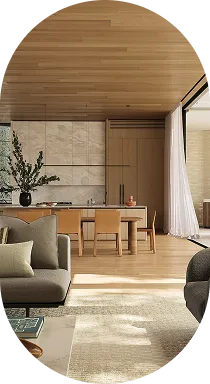
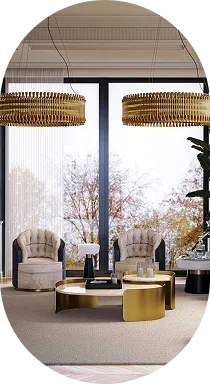
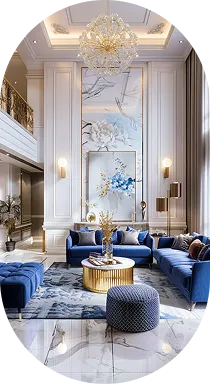
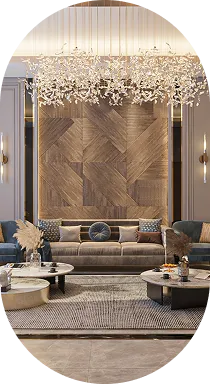
Quietly Crafted. Deeply Felt.

Blog Detail
When you buy or build an independent house in Gurgaon, whether it's a big multi-story home in DLF Phase 1 or a modern place off Golf Course Road, you have an advantage that apartment owners don't: total control over your space. You aren't dealing with shared ceilings, fixed floor plans, or standard builder layouts. You own the ground below you and the sky above.
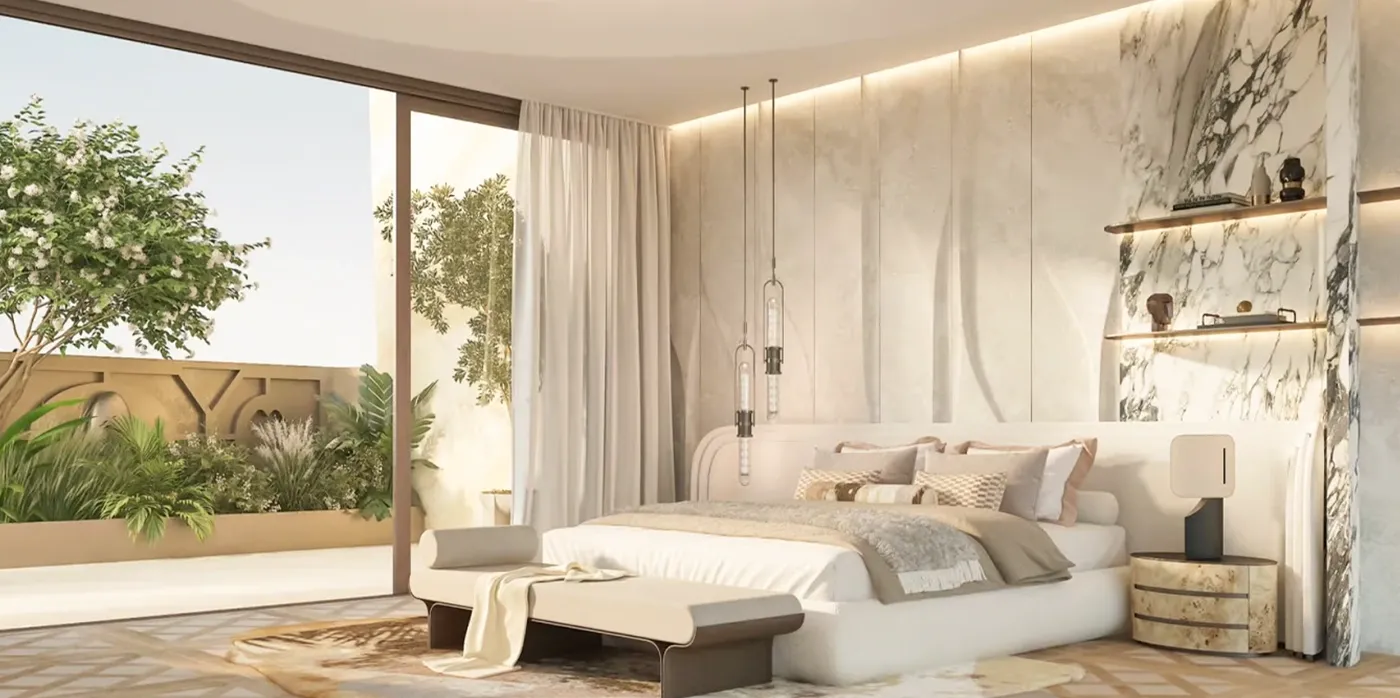
But managing that much space is hard. If you’ve ever walked into a massive, newly built house and felt an uncomfortable echo, or noticed that a room felt more like a cold hotel lobby than a warm home, you’ve seen what happens when design ignores scale. Huge rooms can easily feel empty and cold. Poorly planned layouts force you to walk a long way just to grab a glass of water, and chasing quick design trends can leave a premium property looking outdated in just a few years.
For large houses, luxury residential interior designing in Gurgaon has moved past picking random furniture from a catalog. luxury residential interior designing in gurgaon A great home is simply about building a space that works well, feels deeply comforting, and stands up to the realities of daily life.
Here is how a top interior designer in Gurgaon handles large independent homes to make them feel comfortable, practical, and lived-in.
The biggest mistake people make with large independent houses is treating every room as an isolated project. A house needs a smooth flow. If your ground floor looks like a modern museum and your first floor feels like a traditional country home, moving between them feels weird.
Think of your home in layers, moving from social areas to quiet, private spaces:
Gurgaon’s weather is tough on buildings. You have dusty, hot summers, heavy monsoon humidity, and sharp drops in winter temperature. Cheap laminates, plastic surfaces, and low-quality polishes will start peeling, fading, or cracking within a couple of years.
When building a permanent home, pick materials that look better as time goes on and can handle the weather.
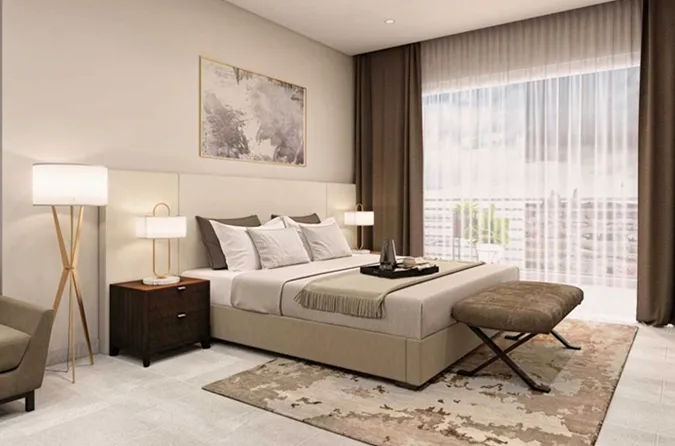
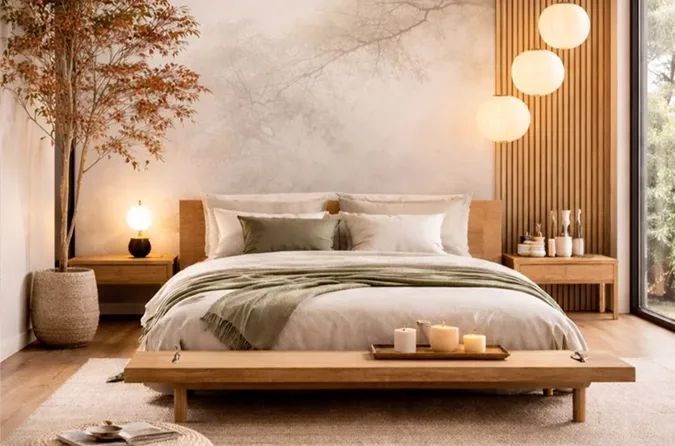
You can buy the most expensive sofa in the world, but if the room echoes, the AC is loud, or the lighting feels like a bright clinic, you won't want to sit there. Good design is often about what you don't see.
One of the best parts of having an independent house is your connection to private outdoor areas. Don't hide your garden or courtyard away behind tiny windows.
A house is a place built around your family’s life, habits, and stories. Getting it right means looking past temporary internet trends and focusing on smart space planning, honest materials, and solid construction.
At Native Sutra, we don't believe in rushed layouts or copy-paste designs. We treat home design as a real craft, ensuring every room is structurally sound, looks great, and is highly comfortable to live in.
Ready to bring your independent house to life?
Reach out to the Native Sutra team today to talk through your ideas, take a look at our material library, and set up a personal consultation for your home.
For a complete design and execution project, you should realistically budget between 6 to 9 months. This gives the team enough time to make structural changes, create accurate drawings, finish masonry work, and build your custom furniture properly.
Budgets usually get out of hand because work starts before every single detail is chosen. To avoid this, never agree to a vague per-square-foot estimate. Insist on a complete Bill of Quantities (BOQ) that lists the exact material, brand, quantity, and labor cost for every single item before anyone starts working on your site.
In most cases, yes. If the foundations allow, an experienced engineering team can cut through the floor slabs and build a reinforced elevator shaft during a major renovation. It just takes a careful structural check to ensure the existing pillars can handle the changes safely.