Quietly Crafted. Deeply Felt.
Quietly Crafted. Deeply Felt.
Blog Detail
14/08/2026 | 16 Min Read
Is Neo-Classical Revival Right for Modern Gurgaon Homes? A Contrarian Take on 2026's Biggest Trend
Everyone in Gurgaon's luxury design circuit is talking about neo-classical revival right now. Coffered ceilings, fluted columns, hand-carved marble mantelpieces, symmetrical layouts that would look at home in a European estate.
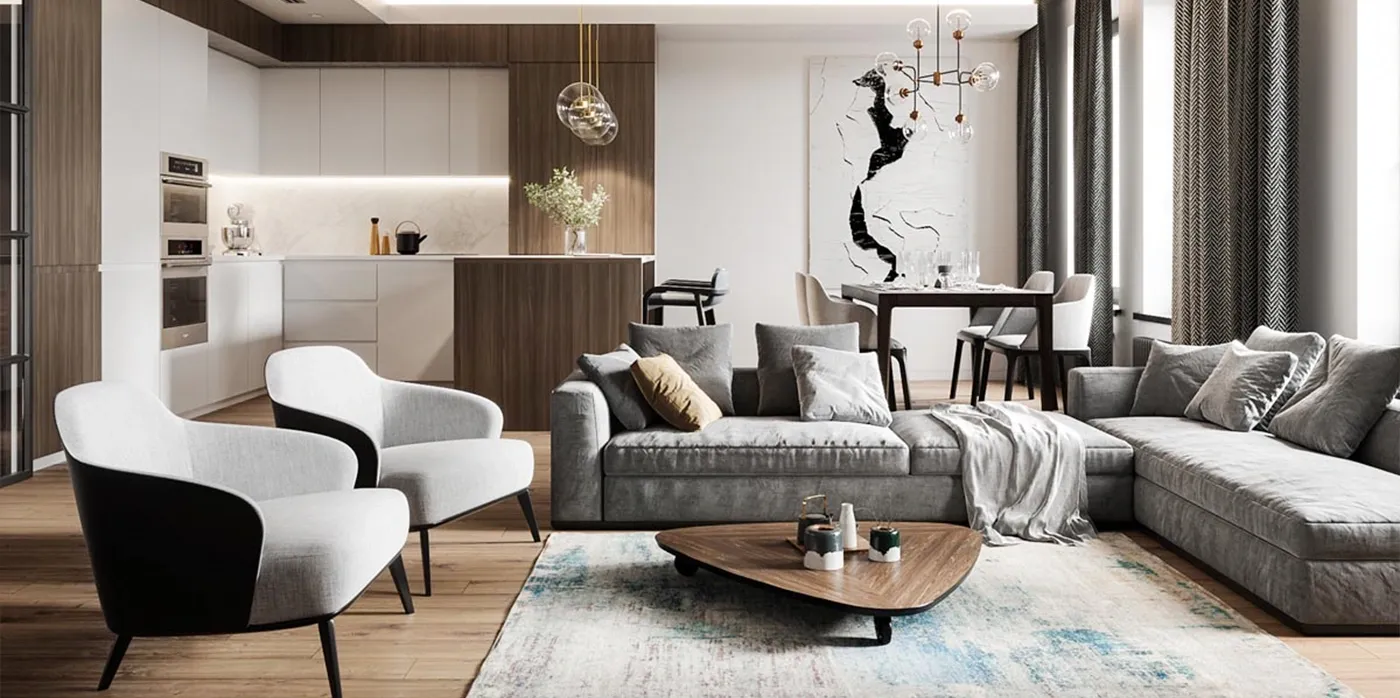
It's being called the most sought-after style in India's luxury villa market this year, and walk through a few show apartments on Golf Course Road and you'll see why, it photographs beautifully and it signals a certain kind of old-world permanence that a lot of buyers are drawn to right now.
Here's where we're going to push back a little, not on the style itself, which can be genuinely beautiful when done well, but on the assumption that it's the default right answer for every Gurgaon home. As a top interior designer in Gurgaon team that's actually executed both neo-classical and contemporary projects at scale, we think the trend deserves more scrutiny before you commit a crore or two of your interior budget to it.
Why the Trend Exists, and Why It's Not Wrong
Let's give credit where it's due. Neo-classical design communicates permanence and cultural intelligence in a way that trendier styles simply can't, and 2026's version of it, restrained, with architectural integrity rather than gilded excess, is genuinely more sophisticated than the neo-classical of a decade ago. residential interior designers in gurugram For a certain kind of buyer, someone who wants their home to feel timeless, who's tired of interiors that look dated within five years, it makes real sense. It also aligns well with buildings like DLF Magnolias or Camellias, which already carry classical architectural DNA in their facades and lobbies. Matching the interior language to the building's bones isn't wrong.
Where the Contrarian Case Comes In
But here's the honest problem: neo-classical is being sold, by a lot of Gurgaon designers right now, as a universal solution, and it isn't one. It's a specific aesthetic language that suits specific homes, specific owners, and specific ways of living. Applied indiscriminately, it can actively work against what makes a home feel genuinely luxurious.
Take a young HNI couple, both working in tech or finance, who travel constantly and want a home that feels current and relaxed when they're actually in it. Coffered ceilings and fluted columns can feel formal to the point of stiff for that lifestyle. We've seen homes where the neo-classical shell looks stunning in photographs and feels slightly like a museum to actually live in, sofas nobody sinks into, symmetry so rigid that everyday clutter (a child's toy, a stack of books) looks like a violation rather than just life happening.
There's also a practical issue nobody talks about enough: neo-classical detailing is expensive to execute well and unforgiving of a lesser execution team. Hand-carved elements, precise coffered geometry, classical proportions that actually read as correct rather than slightly off, this requires genuine craftsmanship, not just a design intent. Done by a mediocre team, neo-classical doesn't look "restrained," it looks like a cheaper hotel lobby. That's a real risk when a trend this popular attracts firms without the execution chops to back it up.
So When Does It Actually Work?
In our experience, neo-classical earns its place when three things align. First, the building's own architecture supports it, high ceilings, generous proportions, formal entry sequences, the kind you find in select Golf Course Road addresses and larger villas rather than compact apartments. best residential interior designers in gurgaon Second, the owner's lifestyle genuinely calls for formality, families who entertain often, who value tradition, who want their home to reflect a certain generational permanence. And third, and this is the one people skip, the execution budget actually supports doing it properly. Half-hearted neo-classical, with machine-cut moldings standing in for hand-carved detailing, is worse than not attempting it at all.
What Wed Suggest Instead, for Most Clients
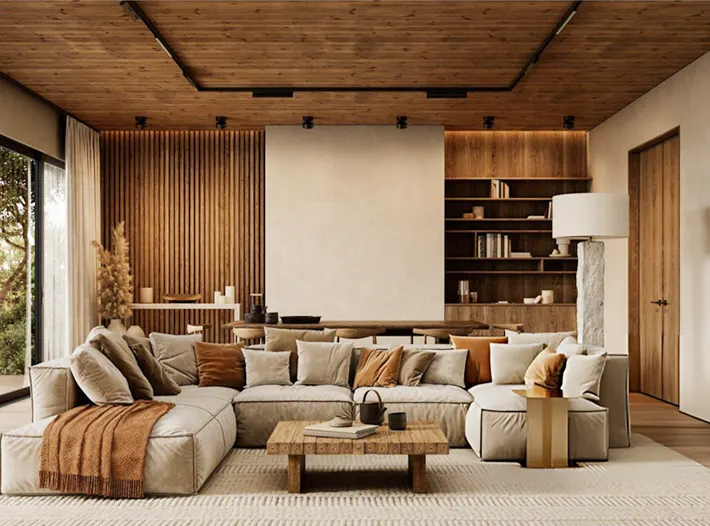
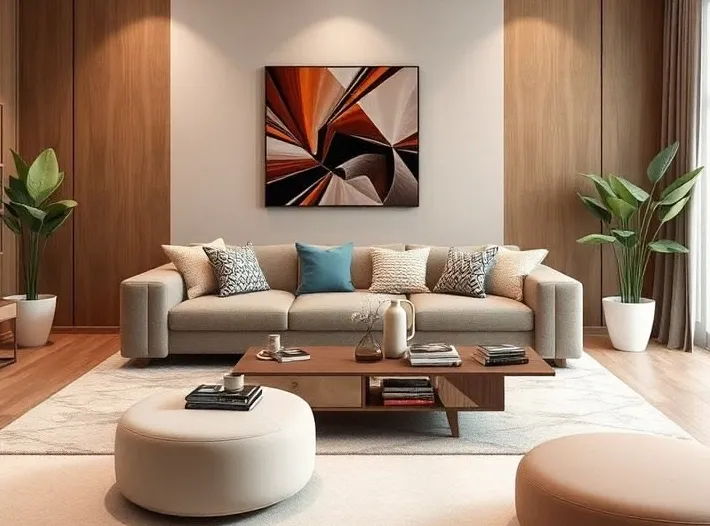
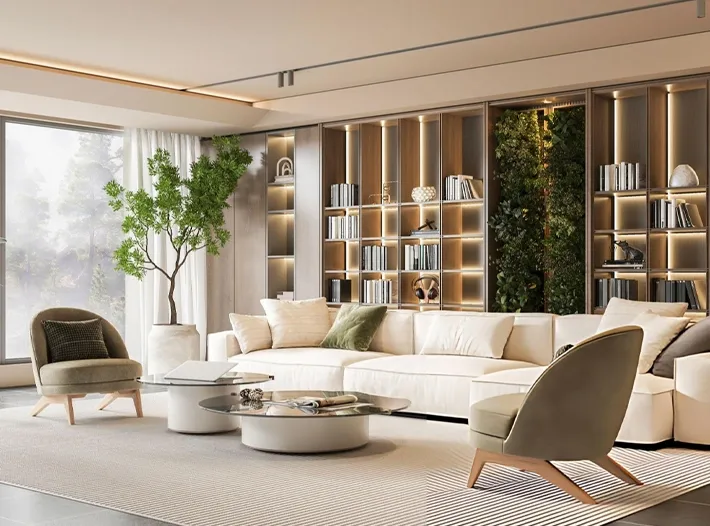
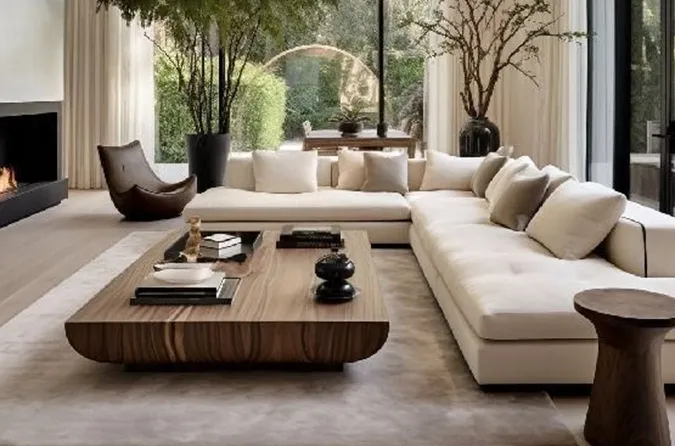
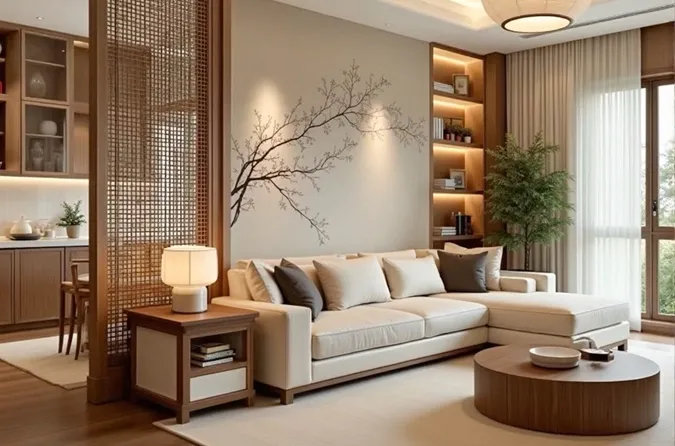
For a lot of the briefs we get, especially from younger NRI and HNI clients furnishing apartments and penthouses rather than sprawling villas, we steer toward what you could call "quiet transitional", clean architectural lines borrowed from contemporary design, paired with the material richness and craftsmanship sensibility that neo-classical champions, without the historicist detailing. You get the sense of permanence and quality without the formality that can make a home feel like it's performing for guests rather than serving the people who actually live there.
This isn't us dismissing the trend. It's us saying that a premium interior designer Gurgaon clients should trust is one who tells you honestly when a popular style doesn't fit your life, not one who sells you whatever's trending because it's easier to pitch. Parul Agarwal, who leads design at Native Sutra, has a simple filter for this: does the style serve how you'll actually use the room in five years, or does it serve how the room photographs on day one? Those aren't always the same answer.
The Bottom Line
Neo-classical revival is a legitimate, often beautiful direction for the right Gurgaon home. It is not, despite how it's being marketed across the city right now, the only serious choice for a luxury interior in 2026. Native Sutra Worth saying plainly: the best interior isn't the one that matches this year's most talked-about trend. It's the one that still feels right to live in a decade from now.