Quietly Crafted. Deeply Felt.
Quietly Crafted. Deeply Felt.

Blog Detail
08/08/2026 | 15 Min Read
Golf Course Road vs Golf Course Extension Road How Interior Design Priorities Differ
Ask ten Gurgaon real estate brokers whether Golf Course Road and Golf Course Extension Road are "basically the same corridor" and you'll get ten confident, slightly different answers. Geographically, they're connected, GCER splits off Golf Course Road near Sector 55/56 and runs down toward Sohna Road.
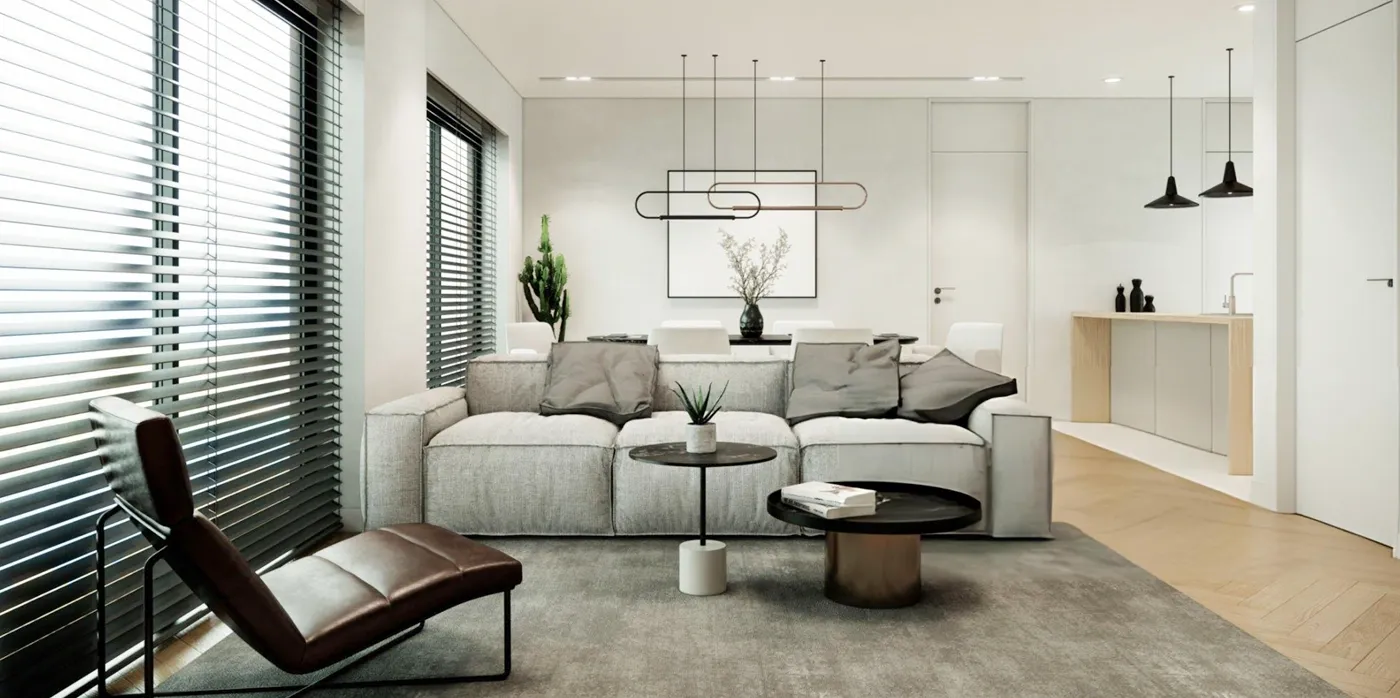
But if you've actually designed homes in both belts, and we have, you'll know the properties, the buyer profile, and the brief itself are not interchangeable. As a premium interior designer Gurgaon homeowners in both corridors come to, we get asked often enough why we don't just run the same playbook everywhere. Here's the honest answer: because the homes aren't the same, and neither are the people buying them.
Golf Course Road Old Money Logic, Even When the Owner Is New
Golf Course Road has been Gurgaon's most established premium address for close to two decades now. The DLF Aralias, Magnolias and Camellias towers sit here, alongside a stretch of independent floors and villas that carry serious legacy value. What this means for design is simple: even a first-time buyer on Golf Course Road tends to want their interior to read as "established," not "aspirational." There's less appetite for anything experimental. Owners here have usually seen a lot of design already, through travel, through their social circle, through the sheer density of high-end homes in the area, and they gravitate toward restraint, quality of material, and craftsmanship that doesn't need explaining.
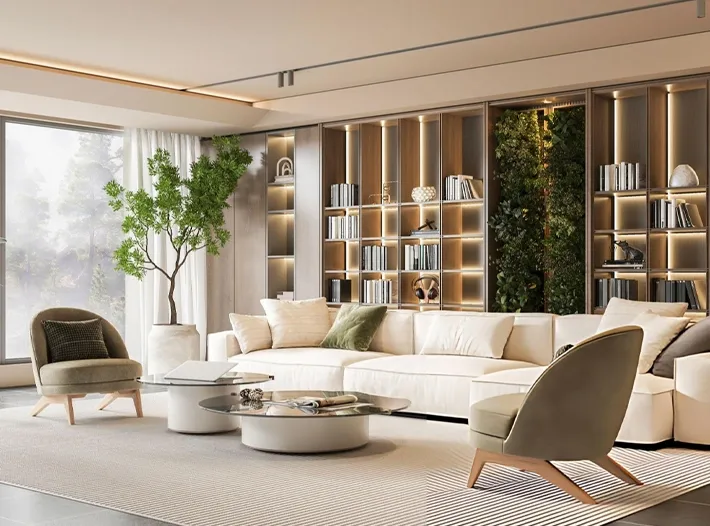
The properties themselves tend to be smaller in plot size but denser in finish specification. Ceiling heights are generous but not always double height. best interior designers in gurgaon Layouts are more compact relative to price per square foot, which means every inch has to work harder. We spend a disproportionate amount of design time on Golf Course Road briefs figuring out how to make compact-but-premium spaces feel expansive without physically expanding them, which is a very different problem from designing a sprawling villa.
Golf Course Extension Road: Bigger Canvases, Younger Buyers
Golf Course Extension Road tells a different story. It's Gurgaon's fastest-growing premium residential corridor right now, and the projects here (many delivered in the last five to eight years) tend to offer noticeably larger layouts for the same or lower price point compared to Golf Course Road. The buyer profile skews younger too, senior corporate professionals, entrepreneurs, NRIs buying their first Gurgaon home rather than an inherited one. That changes the brief in a real way.
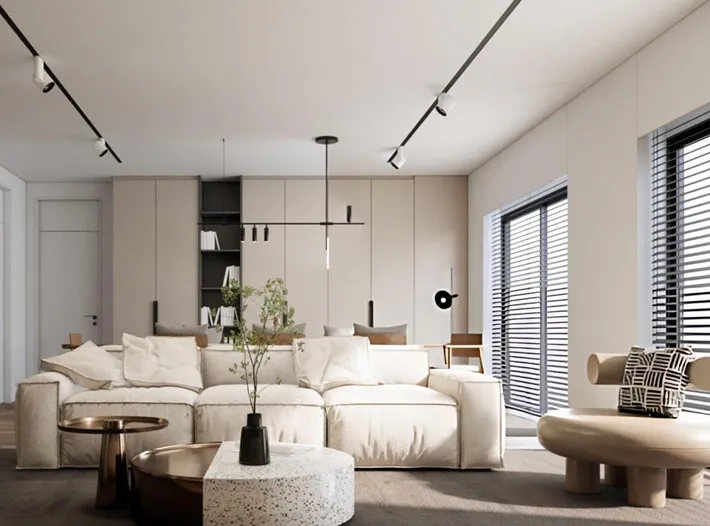
Clients on GCER are more open to contemporary and even boundary-pushing design language. They've often seen the finished product on Golf Course Road (through friends, through site visits) and specifically want their home to feel different, less formal, more livable day to day. We see a lot more demand here for flexible, multi-use spaces (a study that converts to a guest room, a family lounge that isn't a stiff formal living room), because these buyers are often still raising young families or entertaining more casually than the Golf Course Road crowd.
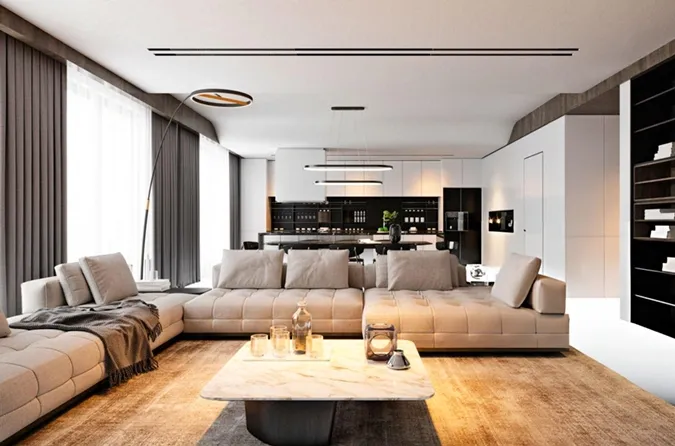
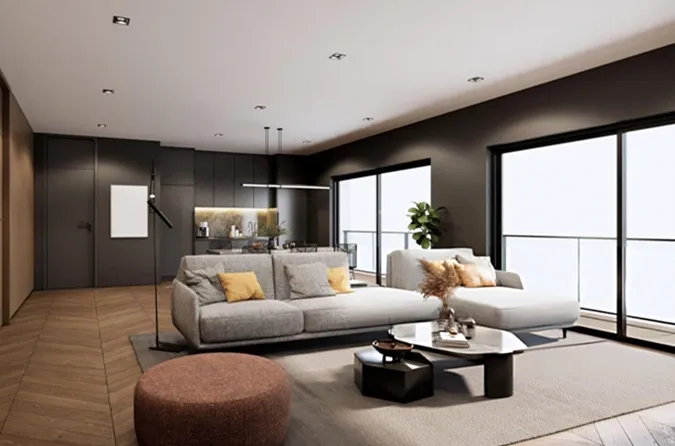
Where the Brief Actually Diverges
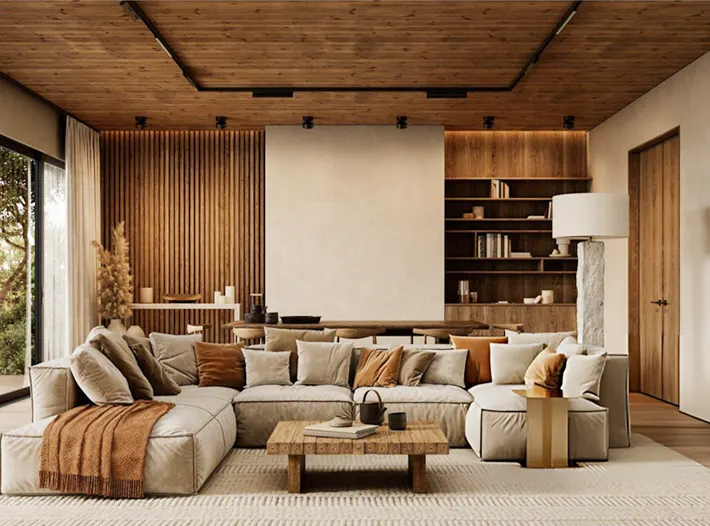
It comes down to three things in practice. First, material philosophy: Golf Course Road interiors lean toward proven, classic luxury materials, Italian marble, natural stone, timber veneers in warm tones, because the goal is permanence. GCER interiors have more room to experiment with newer textures, mixed metals, and the current shift toward tonal, single-material "drenched" surfaces, because the goal is often personal expression rather than legacy signalling.
Second, spatial priorities. top interior designer in gurgaon Golf Course Road briefs obsess over making the most of limited square footage elegantly. GCER briefs, working with larger layouts, obsess more over zoning, how to keep an open-plan home from feeling like one undifferentiated hall. top interior designer in gurgaon And third, pace of decision-making. Golf Course Road clients, often managing legacy family properties or renovating a home they've lived in for years, tend to move more deliberately. GCER buyers, moving into a fresh shell, usually want to move faster, which is one reason our 45-day execution timeline resonates particularly well with this segment.
What Doesn't Change
Regardless of which side of Sector 55/56 you're on, some things stay constant. Every project we take on, whether it's a Golf Course Road apartment or a GCER villa, goes through the same 3D visualisation process before execution starts, and every client gets the same Zero Escalation Policy: the price agreed at signing is the price at handover. Location changes the design language. It doesn't change how seriously we take the commercial discipline of the project.
So Which Should You Buy?
That's honestly a real estate question more than a design one, and it depends on what you're optimising for. Native Sutra If you want legacy prestige and don't mind paying more per square foot for a smaller but impeccably located home, Golf Course Road remains, by most accounts, Gurgaon's most resilient premium address. If you want more space, a younger neighbourhood energy, and stronger near-term appreciation potential, Golf Course Extension Road makes a compelling case. Either way, as a luxury interior designer in Gurgaon, our advice is the same: buy the shell that fits your life, and let the interior brief follow the character of the address rather than fighting it.
Frequently Asked Questions
Q: Is Golf Course Extension Road considered a step down from Golf Course Road?
A: Not in terms of quality of living, no. It's a different value proposition, larger homes and stronger near-term growth versus the established prestige and smaller, denser luxury of Golf Course Road. Both are firmly premium corridors.
Q: Do interior costs differ significantly between the two corridors?
A: Base construction and material costs are similar, but Golf Course Road projects often need more custom joinery and space-optimisation work per square foot, while GCER projects may need more budget allocated to zoning larger open layouts effectively.
Q: Which corridor is better suited to villas versus apartments?
A: Golf Course Extension Road has more standalone villa and larger plotted development options, while Golf Course Road is dominated by high-rise luxury apartments and select independent floors.
Q: How does Native Sutra decide the design direction for a new project?
A: We start by understanding the owner's lifestyle and the character of the specific address, then build a 3D concept the client approves before any execution begins, so the direction is agreed upfront, not discovered midway.
Q: Can the 45-day execution timeline apply to both corridors equally?
A: Yes, our milestone-based process is designed to hold regardless of location. Larger GCER villas and denser Golf Course Road apartments both follow the same structured workflow once the design is finalised.