Quietly Crafted. Deeply Felt.
Quietly Crafted. Deeply Felt.
Blog Detail
10/09/2026 | 14 Min Read
What Do Residential Interior Designers in Gurgaon Actually Do?
Residential interior designers do considerably more than most people assume before they've actually worked with one. Understanding the full scope helps you evaluate proposals more accurately and set realistic expectations for what a professional design process should actually
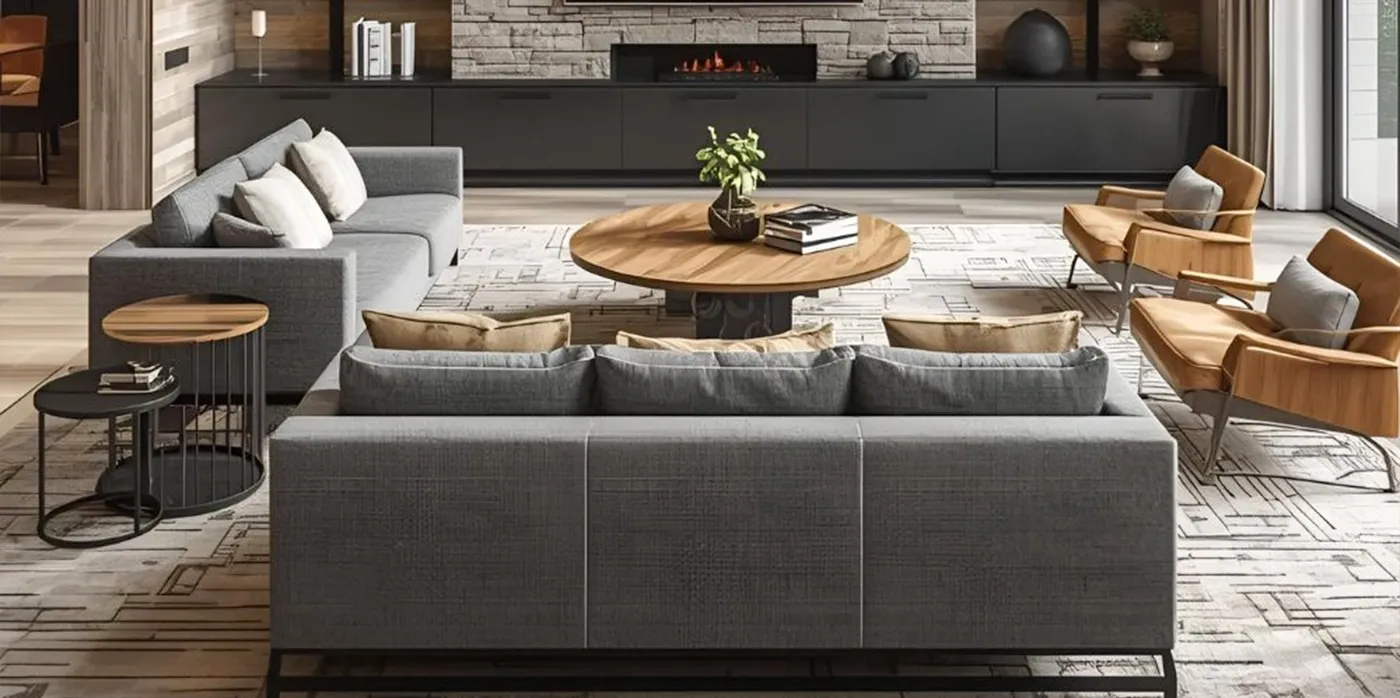
Residential interior designers in Gurgaon plan and execute the full interior of a home, space planning, material selection, civil and electrical coordination, custom furniture design, lighting, and final styling, managing the project from initial concept through to handover, rather than simply choosing furniture and decor for an already-finished space.
That's the quick version. But since the role gets confused with decorating fairly often, here's what actually falls under an interior designer's scope, broken down properly.
Space Planning Comes First
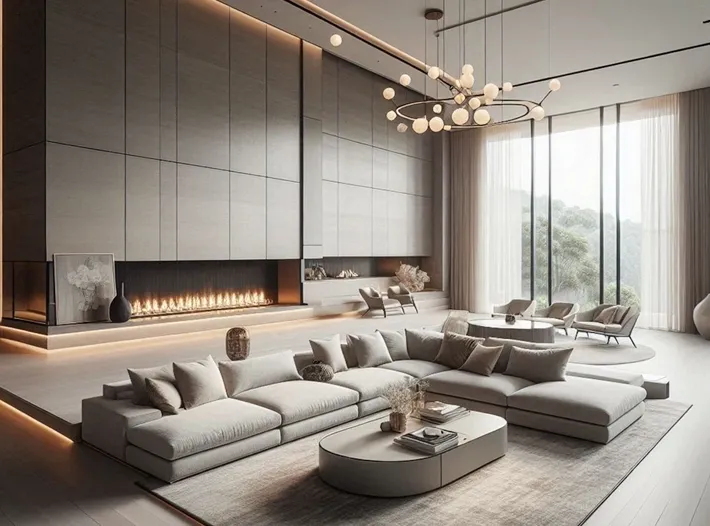
Before any material gets chosen, a designer works out how the home should actually function: where each room sits, how spaces flow into each other, where natural light falls through the day, and how the layout supports how your family actually lives. residential interior designers in Gurgaon For villas and larger apartments, this might involve reworking the builder's original floor plan entirely, adding or removing walls, repositioning a kitchen, or reimagining how a double-height space gets used.
This is fundamentally different from what an interior decorator in gurgaon typically handles, since decorators generally work within an already-fixed layout rather than reshaping it.
Concept Development and Design Direction
Once the layout is settled, designers develop a visual and material direction for the home, colour palettes, textures, furniture styles, and an overall aesthetic language that ties every room together cohesively. This usually comes through mood boards, 2D layouts, and 3D visualisations so you can see roughly what the finished space will look and feel like before committing to it.
Structural and Civil Coordination
For any project involving layout changes, false ceilings, or electrical rework, designers coordinate directly with civil contractors and electricians, translating the design vision into technical drawings that tradespeople can actually execute correctly. This includes specifying exact placements for lighting points, switch locations, and any structural modifications needed to realise the design.
Material Selection and Sourcing
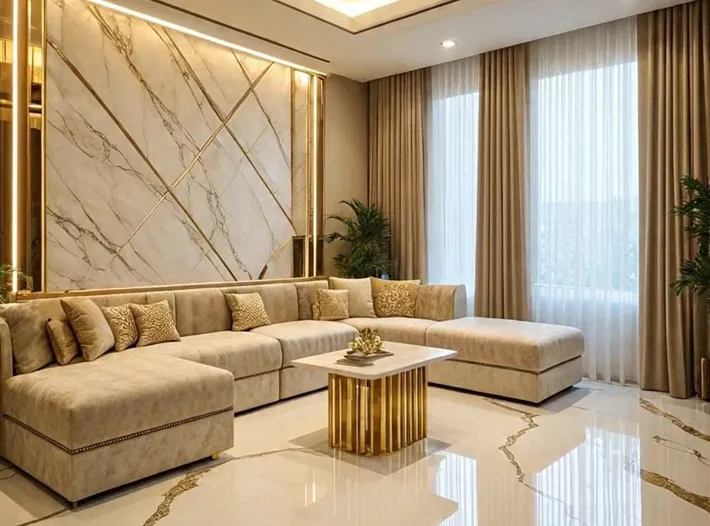
Best residential interior designers in gurgaon typically manage the sourcing of everything from flooring and wall finishes to hardware, fittings, and furnishings, often through established vendor relationships that give access to better pricing or priority handling than an individual homeowner could negotiate alone. This includes specifying material grades, finishes, and brands appropriate for the project's budget and durability requirements.
Custom Furniture and Joinery Design
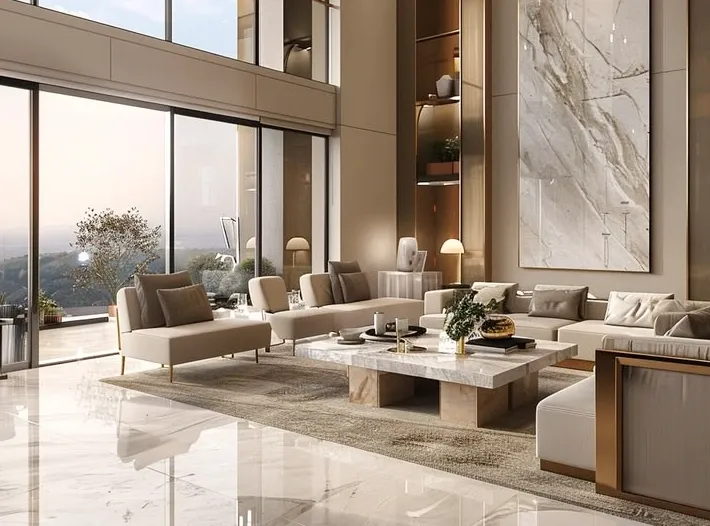
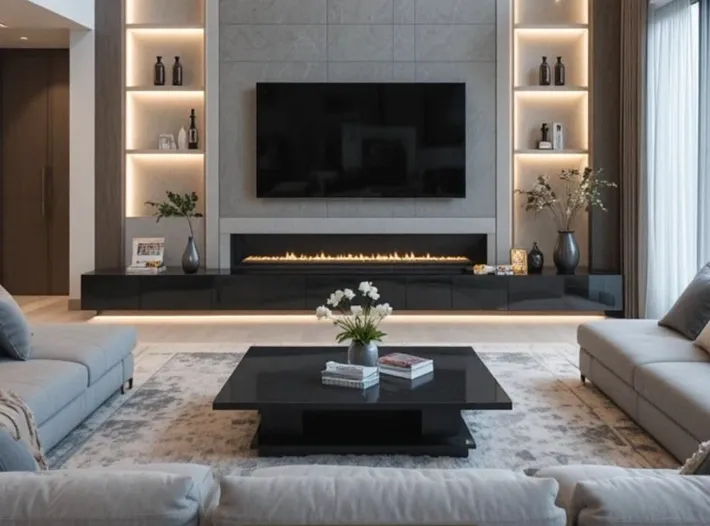
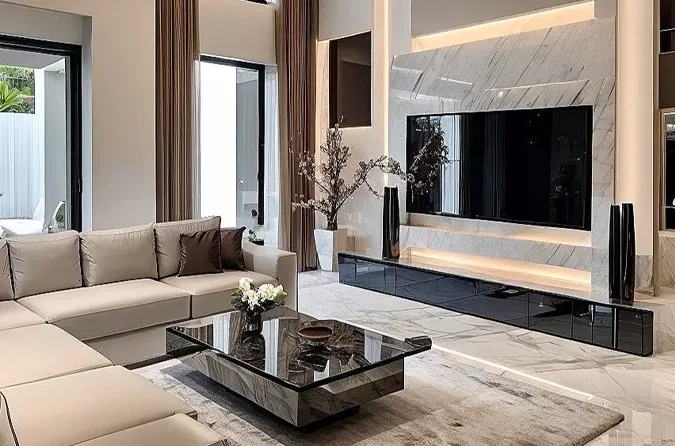
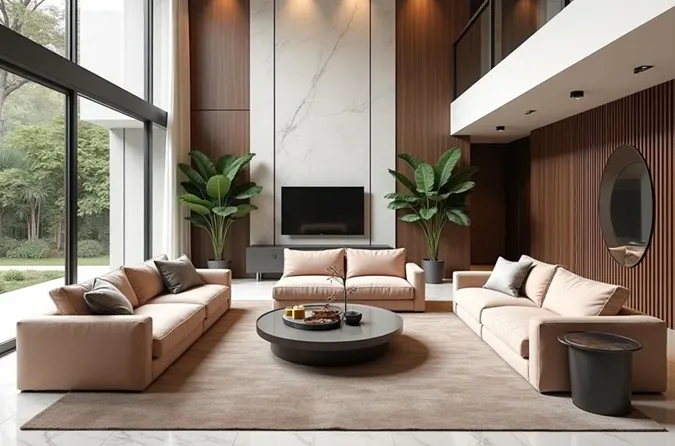
Unlike decorators who mostly select from existing furniture catalogues, designers frequently design custom pieces, wardrobes, kitchen cabinetry, TV units, bespoke seating, tailored to the exact dimensions and function of your space. interior decorator in gurgaon This is particularly relevant for luxury homes where standard furniture sizing rarely suits larger rooms or unconventional layouts.
Lighting Design
Lighting is one of the most underrated aspects of interior design, and a proper designer plans it in layers: ambient lighting for general illumination, task lighting for functional areas like kitchens and study spaces, and accent lighting to highlight architectural or decorative features. This planning happens early, since electrical points need to be positioned correctly before walls and ceilings are finished.
Project Management and Execution Oversight
A significant part of a designer's job, often the least visible to clients, is coordinating multiple vendors and contractors simultaneously, keeping the project on schedule and resolving on-site issues as they arise. In practice, this usually includes:
- Scheduling and sequencing civil, electrical, and plumbing work so trades don't collide on site
- Managing furniture fabricators and installation crews against agreed timelines
- Running quality checks at each milestone before the next stage begins
- Acting as the single point of contact so the homeowner isn't fielding five separate vendor calls
This is exactly why residential interior designers in gurugram with established in-house teams tend to manage larger projects more smoothly than solo practitioners juggling multiple clients, and it's also a fair question to ask any shortlisted top interior designer in gurgaon: who specifically handles this coordination once your project moves past the concept stage.
Budget Management
Good designers track spending against the approved budget throughout the project, flagging when a change request will affect cost before it becomes a surprise on the final invoice. This kind of proactive financial transparency is one of the clearest signs of a professional process.
Final Styling and Handover
At the very end, designers handle the finishing touches: art placement, soft furnishings, accessories, and final styling that brings the space together, alongside providing documentation on materials used, warranty details, and maintenance guidance for the homeowner.
How This Plays Out in Practice
Studios like Native Sutra structure their service around this full arc: discovery and space planning, concept development, material sourcing, civil coordination, custom furniture design, and handover documentation, positioned specifically for villas, penthouses, and premium apartments across Gurgaon rather than smaller, more standardised projects. Since 2015, this end-to-end approach has supported over 200 completed residential projects spanning more than 500,000 sq. ft.
Why This Full Scope Matters for Bigger Homes
For a 2BHK apartment with minimal layout changes, some of these steps might feel like overkill. But for a villa, penthouse, or 4-5BHK residence, skipping any of these stages, especially space planning, civil coordination, or budget management, tends to surface as a costly problem later, either through layout inefficiencies, electrical rework, or budget overruns that could have been caught earlier.