Quietly Crafted. Deeply Felt.
Quietly Crafted. Deeply Felt.

Blog Detail
17/07/2026 | 18 Min Read
Modular Kitchen vs Custom Carpentry: Which Is Better for Luxury Homes
This question comes up in almost every single home interior consultation, without fail. You're sitting across from your designer, kitchen layout on the table, and then it lands, do you go modular or do you go with a carpenter and custom carpentry. Everyone has an opinion, your interior designer, your contractor, that one aunt who redid her kitchen in 2019 and won't stop talking about it.
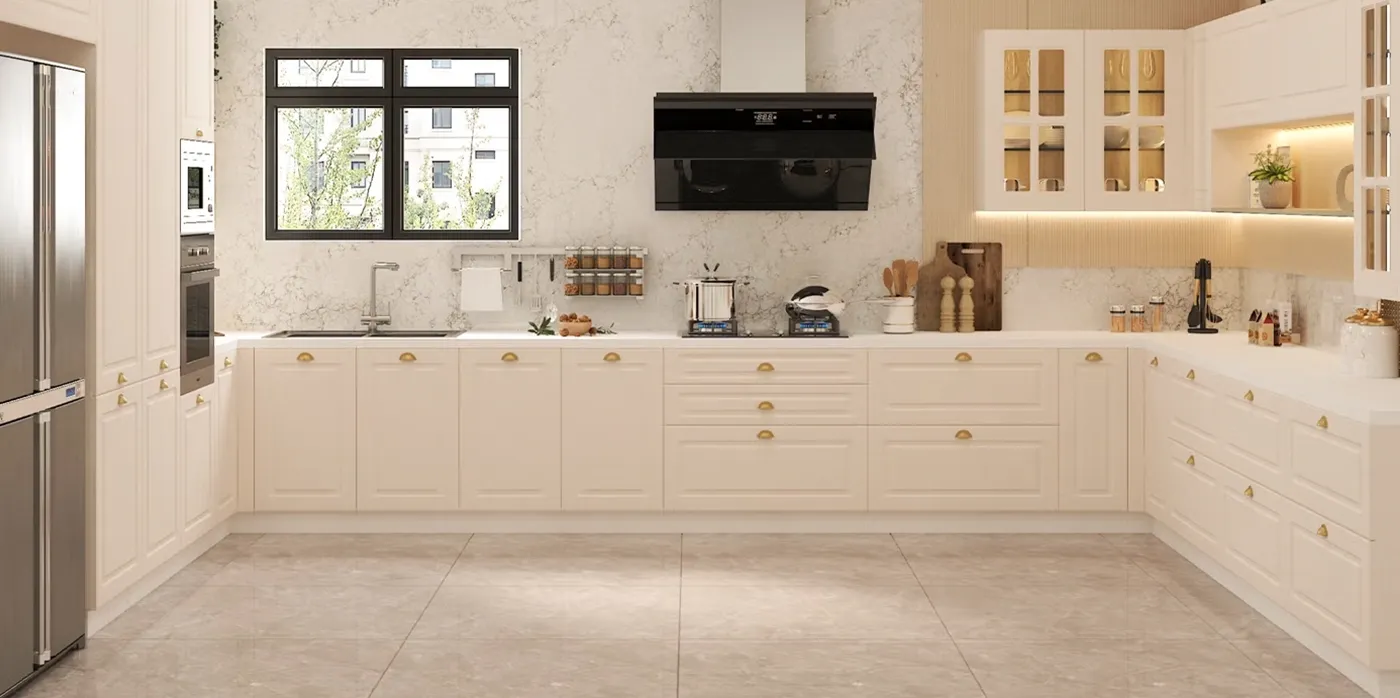
Let's actually break down the real modular kitchen vs custom carpentry for luxury homes debate, without the sales pitch either way.
What modular actually means today
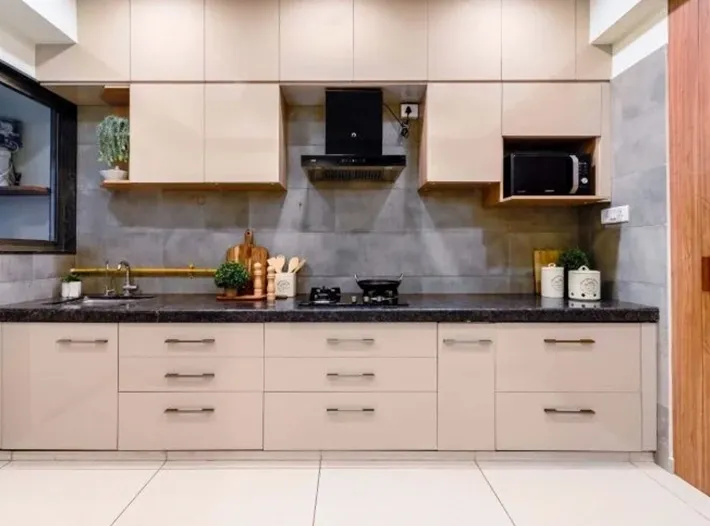
Modular kitchens get an unfair reputation sometimes, people picture cheap laminate boxes from a decade ago. That's really not where the category is anymore. A premium modular kitchen interior designer today is working with waterproof plywood, soft close hardware, and finishes that genuinely rival custom work, just assembled from factory made components rather than built on site plank by plank.
The real advantage of modular is consistency and speed. Because units are manufactured in a controlled environment, you get tighter tolerances and fewer of the small warping or alignment issues that can creep into site built carpentry. Installation is also dramatically faster, often wrapped up in days rather than the weeks a full carpentry job can take.
Where custom carpentry still wins
Custom carpentry isn't going anywhere, and for good reason. If your kitchen has an odd shaped corner, a low beam, or you want something genuinely one of a kind, like a specific type of solid wood with visible grain, carpentry gives you flexibility that modular systems simply can't match. You're not restricted to standard module sizes, the carpenter builds around your exact space.
The tradeoff is time and, often, cost. Custom carpentry vs modular kitchen cost comparisons usually show carpentry running higher once you factor in labour, material wastage, and the fact that everything is essentially being prototyped on site rather than mass produced. It also depends heavily on the individual carpenter's skill, which is a variable modular manufacturing removes almost entirely.
What it actually costs
Numbers vary a lot by finish and hardware brand, but as a rough guide, modular kitchens tend to be more budget efficient per square foot compared to fully custom carpentry, largely because of the economies of scale in manufacturing. That said, high end modular systems with premium finishes can absolutely approach or exceed the cost of simpler carpentry work, so "modular is always cheaper" isn't really accurate anymore at the luxury end.
What matters more is understanding the full modular kitchen cost in full home interior planning, since your kitchen budget doesn't exist in isolation, it needs to work alongside your flooring, wardrobes, and other big ticket interior elements.
Durability, and the maintenance question nobody asks upfront
This is honestly the part people regret not asking about. Low quality boards in either modular or carpentry work can warp with moisture and heat over time, which is a real concern in Indian kitchens with heavy daily use. Upgrading to properly waterproof plywood, whether in a modular or custom setup, has been shown to meaningfully cut down on long term maintenance costs and expand usable storage since the material holds its shape better.
If you're investing in a luxury home, this isn't the place to cut corners on core material quality just to save a bit upfront. A kitchen redone every five years because of water damage costs far more over time than paying slightly more for proper waterproof grade material now.
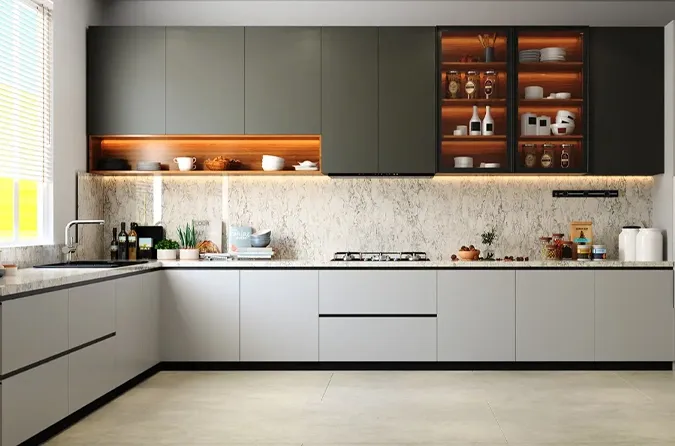
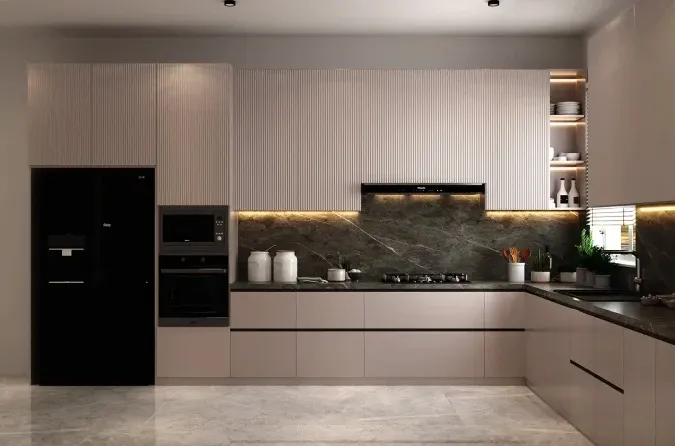
So which one should you actually pick
Honestly, there's no universal right answer, it depends on your space and your priorities. If your kitchen has a fairly standard layout and you want speed, consistency, and easier future upgrades, modular is usually the smarter call. If you've got an unusual layout, want something truly bespoke, or have a very specific material or design vision, custom carpentry is worth the extra time and cost.
For anyone exploring luxury modular kitchen design Gurgaon options, it's worth sitting with a designer who's comfortable working in both formats, rather than one who only pushes their preferred method regardless of your actual space. At Native Sutra, kitchen planning is treated as part of the full home interior conversation, factoring in layout, budget, and long term usability, rather than a standalone decision made in isolation.
A quick gut check before you decide
Ask yourself how long you plan to stay in this home, how much you value flexibility to reconfigure later, and honestly, how much patience you have for a longer carpentry timeline versus a faster modular install. Those three answers usually make the decision a lot more obvious than any spec sheet will.
FAQs
1. Is modular kitchen really cheaper than custom carpentry?
Generally yes at the budget to mid range level, but at the premium end the gap narrows significantly, and high end modular systems can cost similarly to simpler carpentry work.
2. How long does a modular kitchen installation take compared to carpentry?
Modular installation is typically completed in a matter of days once materials arrive, while custom carpentry can take a few weeks depending on complexity and the carpenter's schedule.
3. Can I mix modular and carpentry in the same kitchen?
Yes, and it's actually fairly common. Many luxury kitchens use modular base units for consistency while adding custom carpentry for specific features like an island or an unusually shaped corner unit.
4. Which option is better for resale value?
Both can add value if executed well, but a clean, well finished modular kitchen tends to photograph and show better for resale since the finish is more consistent.
5. Does waterproofing really make that much of a difference?
Yes, significantly. Waterproof grade plywood in either modular or carpentry setups has been shown to meaningfully reduce maintenance costs and extend the usable life of the kitchen.