Quietly Crafted. Deeply Felt.
Quietly Crafted. Deeply Felt.
Blog Detail
20/08/2026 | 11 Min Read
How Long Does a Full Villa Interior Design Project Take in Gurgaon?
A full villa interior design project in Gurgaon typically takes anywhere from four to nine months from initial consultation to handover, though the industry average for larger homes with extensive customisation can stretch to twelve months. Execution alone, once design and procurement are locked, usually runs twelve to twenty-four weeks depending on the villa's size and complexity.
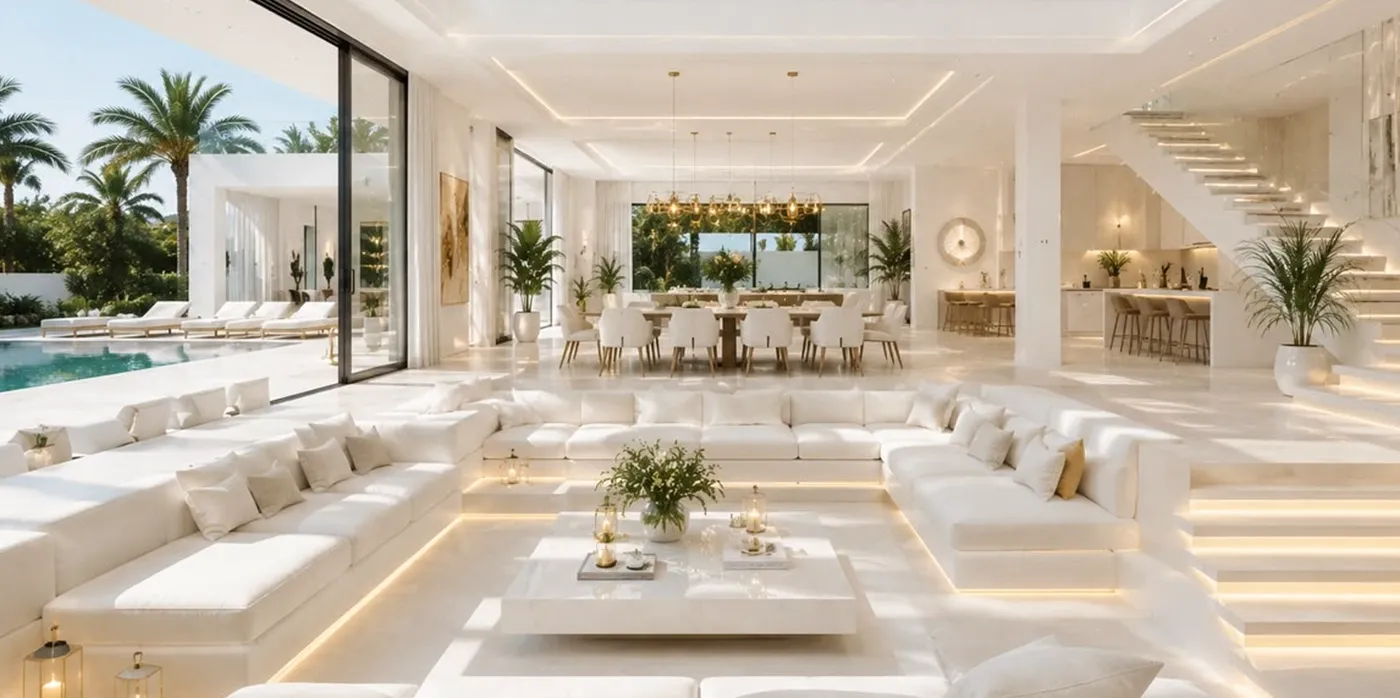
Native Sutra's own execution timeline is considerably tighter, we deliver full home projects within 45 days of execution starting, which is possible because of how much work happens before the first hammer swings.
That gap, between the industry's typical timeline and what's actually achievable, comes down almost entirely to process. interior designer in gurugram Most delays in villa interiors don't happen because the work itself is slow. They happen because decisions get made mid-execution instead of before it, because materials get ordered after site work has already started, or because there's no structured milestone tracking to catch problems early.
Breaking the Timeline Into Phases
A realistic villa project has three broad phases, and each one has its own risks for delay.
Design and planning (4-8 weeks): This covers space planning, mood boards, material selection, and 3D visualisation. For a 5,000+ sq ft villa with multiple living areas, a home theatre, and several bedrooms, this phase genuinely needs time, rushing it is where a lot of firms create problems they'll spend the rest of the project fixing.
Procurement and vendor lock-in (2-6 weeks, often overlapping with design): Stone, custom furniture, home automation systems, and imported fittings all have lead times. Italian marble can take six to ten weeks to arrive after order. Custom joinery from a good atelier needs real production time. Firms that wait until execution begins to start procurement are the ones whose "6-month project" quietly becomes a 10-month one.
Execution (6-24 weeks depending on approach): This is where civil work, false ceiling, electrical, flooring, joinery installation, and finishing happen on site. It's also where most delays compound, because problems discovered mid-execution (a wrong measurement, a material that didn't arrive, a scope change) ripple through every subsequent stage.
Why Native Sutra's 45-Day Execution Window Works
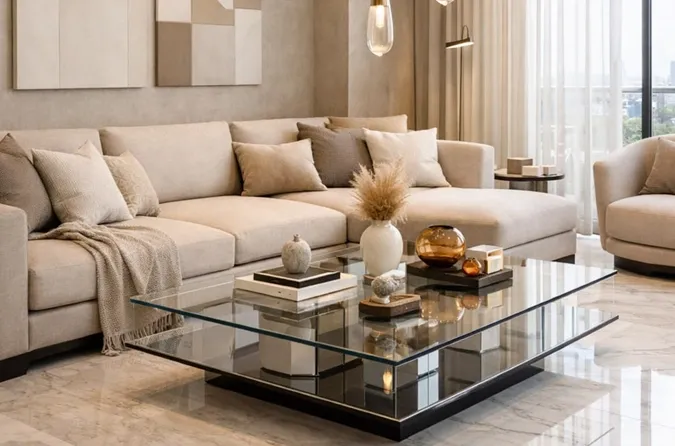
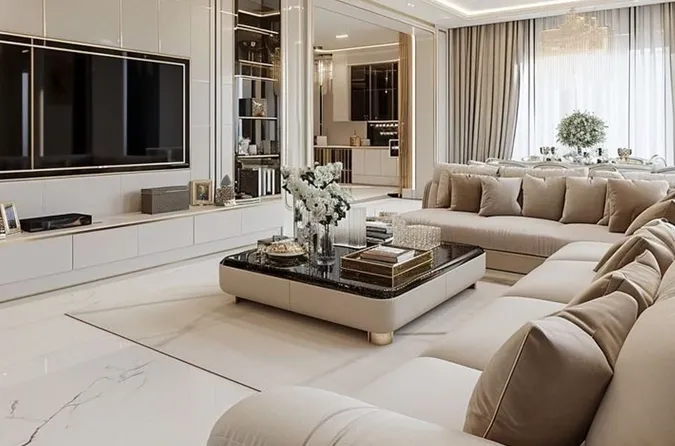
The reason a full home project can be delivered within 45 days of execution starting isn't that the work is rushed, it's that almost nothing is left to figure out once execution begins. Native Sutra front-loads the entire design and procurement process. Every material is selected and ordered, every 3D visualisation is approved by the client, and every milestone is mapped before a single team member steps on site to start civil or carpentry work.
This matters enormously for villa projects specifically, because villas have more surface area, more rooms, and more independent systems (multiple HVAC zones, larger electrical loads, landscaping interfaces) than apartments. commercial interior designer Compressing execution to 45 days on a home of this scale requires parallel-tracking work across multiple rooms simultaneously with a disciplined, milestone-based workflow, not a single crew moving room to room sequentially, which is how a lot of smaller firms operate and why their timelines balloon.
What Actually Causes Villa Projects to Run Long
A few patterns show up again and again in delayed projects. Late-stage design changes are the biggest one, a client deciding to switch a marble selection or reconfigure a kitchen layout after execution has started can add weeks, sometimes months, because it triggers rework and new procurement cycles. Unclear scope is another, if civil and structural work wasn't properly assessed upfront, unexpected issues (drainage, electrical capacity, structural cracks) surface mid-project and stall everything while they're resolved.
And then there's simple under-resourcing, firms that take on more projects than their execution teams can actually run in parallel will always be slower than their quoted timeline suggests.
This is a big part of why 3D visualisation upfront matters so much for a villa. When a client can walk through a photorealistic render of their living room, kitchen, and primary suite before execution starts, the late-stage "actually, can we change this" moment mostly disappears. It's resolved on screen, not on site.
Villas vs Penthouses vs Apartments: Timeline Differences
Villas generally take longer than apartment interiors of similar area because they involve facade or elevation touches, outdoor and terrace spaces, independent utility systems, and often more custom joinery given the larger floor plate. A 4,500 sq ft penthouse might execute in six to eight weeks with a structured process; a 6,000 sq ft villa with a garden, pool deck, and multiple living zones will naturally take a bit longer, even with an efficient, milestone-driven team.
What to Ask a Designer About Timeline Before You Sign
Don't just accept a number, ask how it's structured. Get a milestone-by-milestone breakdown, not a single end date. Native Sutra Ask what happens if a material is delayed, does the whole project stall, or does the team work around it. Ask how many site visits you'll actually need to make during execution, because a well-run project with proper 3D visualisation and milestone check-ins should need minimal client presence on site, which matters enormously for busy HNIs and NRI owners who can't be in Gurgaon every week.