
Quietly Crafted. Deeply Felt.
Quietly Crafted. Deeply Felt.

Blog Detail
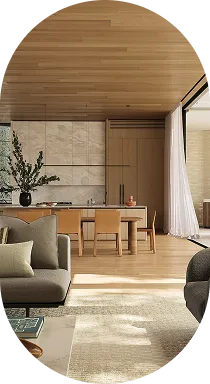
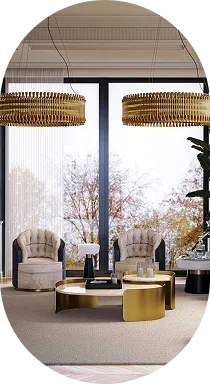
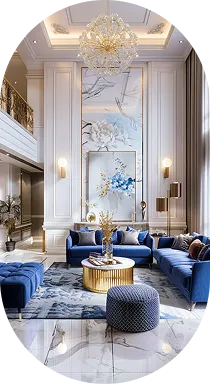
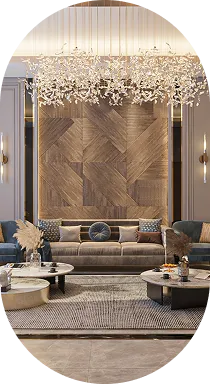
Walk into any luxury showroom, and you will see stunning, immaculate room setups. Pristine velvet sofas paired with delicate glass coffee tables, minimal white kitchens completely free of appliances, and sprawling open-plan entryways that look like art galleries.
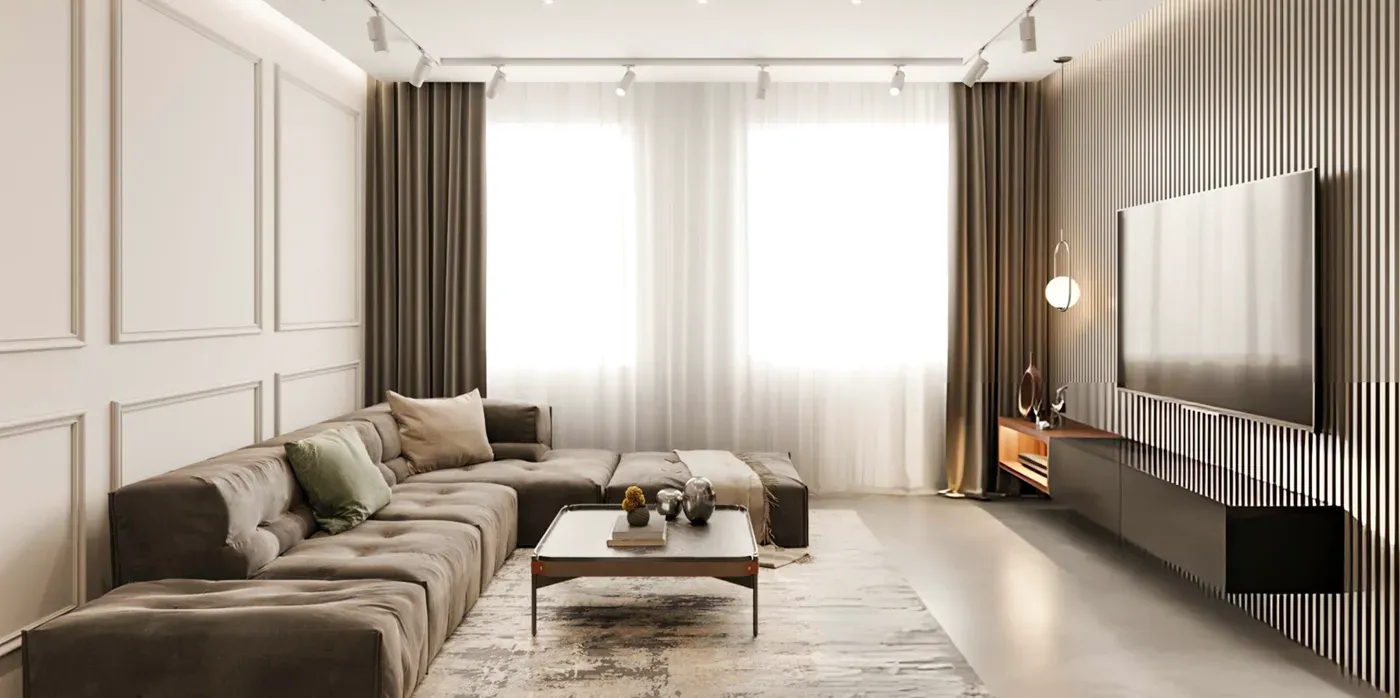
It is a highly aspirational aesthetic. However, when a family actually moves into a home built strictly around showroom visuals rather than daily reality, friction begins to show within the very first week.
The velvet sofa starts gathering dust and pet hair. The white kitchen countertops stain from turmeric and daily meal preparation. The minimal entryway becomes cluttered with a chaotic pile of shoes, car keys, packages, and school bags because there is no practical place to put them.
When a home is designed solely for visual appearance, it forces the human beings living inside it to change how they naturally behave just to keep the space looking tidy. In contrast, modern luxury design is experiencing a major shift. The most progressive interior design consultants are moving entirely away from rigid visual templates. interior designing company Instead, they are pioneering an anthropological approach: designing the physical architecture of a home around the daily habits, morning rhythms, and natural behaviors of the family.
Every human being moves through their home following predictable, deeply ingrained patterns. You might have a specific way you make your morning coffee while reviewing emails, a habit of dropping your keys on the nearest flat surface the moment you walk through the door, or a winding-down routine that involves reading in a specific corner of the bedroom.
A standard interior designing company typically begins a project by asking you what colors you like or showing you a catalog of furniture styles. A behavioral designer, however, begins by studying your daily routine. They ask questions that map your lifestyle:
By mapping these behavioral pathways, designers can place storage solutions, lighting layouts, and custom furniture precisely where your habits demand them. The result is a home that feels naturally intuitive, requiring zero conscious effort to keep organized and functional.
When you design around habits, you systematically eliminate the minor, daily frustrations that cause domestic stress over time. Consider a few common residential areas where behavioral design makes a massive, practical difference:
The traditional foyer is often treated as a grand, formal introduction to the house. In a habit-centered home, the entryway is engineered as a highly functional transition point. Designers build integrated "drop zones" featuring hidden shoe storage drawers, dedicated charging docks for phones and smartwatches, a concealed key hooks cabinet, and a clean drop-off tray for incoming mail and courier packages. interior designing company in gurgaon Because the storage is placed exactly where you naturally drop your things when entering the house, clutter never reaches the living areas.
Traditional modular layouts rely on a standard sink-fridge-stove configuration. But if two family members love cooking together, or if your morning routine involves preparing a quick breakfast while packing school lunches, a standard layout collapses into chaos. Designing around habits means creating dedicated utility zones: a separate, self-contained coffee and breakfast station complete with a small built-in sink and appliance garage, or a multi-tiered kitchen island that allows one person to chop vegetables comfortably while another catches up on emails without getting in the way.
The modern home must balance relaxation with professional productivity. Instead of forcing a rigid, isolated home office into a spare bedroom, sophisticated designers integrate subtle, ergonomic work alcoves directly into the primary living spaces. These feature custom pop-up desks that completely conceal monitors and wiring behind sleek wood paneling when the workday ends, allowing the room to instantly transition back into a peaceful family environment.
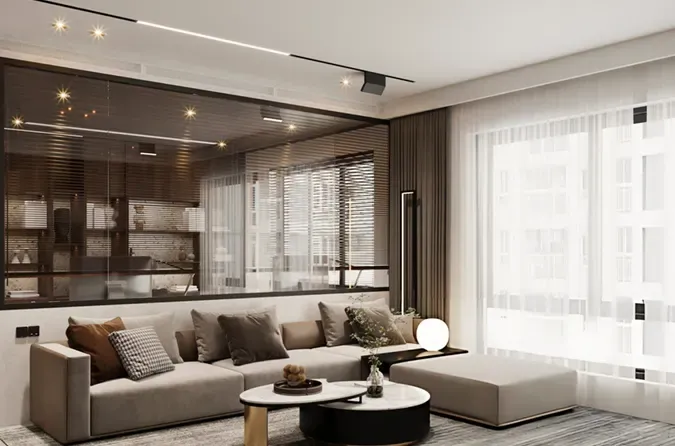
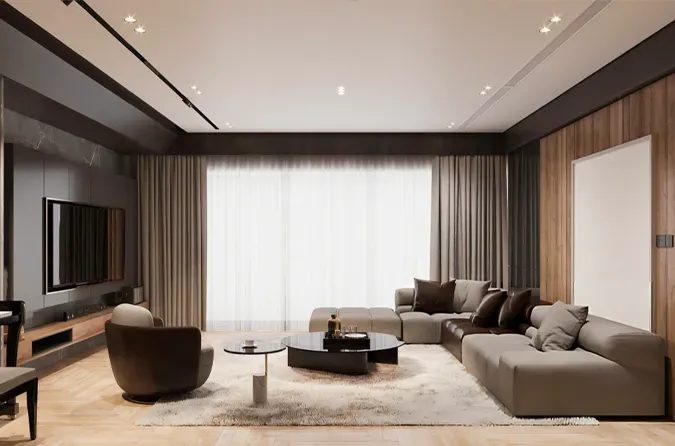
Translating personal human behavior into highly durable, physical architecture requires an exceptional level of technical discipline. This precise integration of human habits and structural design is exactly what makes Native Sutra a premier interior designing company in Gurgaon.
Founded by an architect and a corporate strategy professional, the firm approaches interior transformation with an analytical mindset. Instead of imposing a signature aesthetic onto a client, their team spends the initial phases of a project conducting deep habit-mapping interviews. They study your lifestyle, family structure, and personal routines to ensure the layout functions flawlessly for your specific household.
Because Native Sutra is an architect-led, comprehensive turnkey firm, they possess the deep engineering expertise required to construct these custom solutions perfectly. Whether it is adjusting counter heights to match a client's physical height to reduce back strain, installing advanced soft-close European hardware that withstands decades of daily use, or mapping complex automated lighting paths that mirror your natural sleep cycles, their team handles everything under one roof.
For homeowners looking for an elite interior designer Gurugram offers, Native Sutra provides total operational transparency alongside this bespoke customization. Their strict "Zero Price Escalation" policy and itemized Bill of Quantities (BOQ) guarantee that your home is engineered to the highest standard with complete financial clarity and zero stressful surprises.
Ultimately, a luxury home shouldn't feel like a delicate museum where you are afraid to touch the furniture or live naturally. Native Sutra True luxury is found when your surrounding environment actively supports and eases your daily lifestyle.
By partnering with interior design consultants who prioritize your personal habits over fleeting design trends, you create a space that feels deeply personal and effortless to live in. Your home stops being just a beautiful backdrop and becomes a functional, supportive partner in your daily life.
1. What exactly does it mean to design a home around personal habits?
It means planning the structural layout, furniture placement, and storage systems based on how you and your family naturally move, work, and relax every day. Instead of forcing you to adapt to a standard layout, the architecture is tailored to match your morning routines, cooking preferences, and storage habits.
2. How does Native Sutra discover a family's lifestyle habits during the design phase?
They conduct detailed lifestyle mapping consultations before drawing any plans. Their team asks about your daily timelines, how you cook, where your children prefer to study, how you manage household storage, and your entertainment habits, turning those personal insights into highly practical spatial blueprints.
3. Can a habit-centered home still look luxurious and sophisticated?
Yes, absolutely. Designing around habits actually enhances luxury because it hides the daily clutter that typically disrupts a beautiful room. All functional storage, device charging docks, and appliance zones are seamlessly integrated behind premium finishes and custom paneling, keeping the space looking immaculate.
4. Why is Native Sutra considered a top choice for interior design in Gurgaon?
They stand out because they are an architect-led turnkey firm that combines deeply personalized, behavioral design with rigorous engineering standards. They manage the entire execution process in-house and offer a transparent, fixed-pricing model, giving homeowners complete peace of mind and an exceptionally built space.
Your home should be a natural extension of who you are and how you choose to live. At Native Sutra, we eliminate the gap between beautiful aesthetics and daily functionality by engineering bespoke luxury spaces tailored entirely around your family's unique lifestyle.