
Quietly Crafted. Deeply Felt.
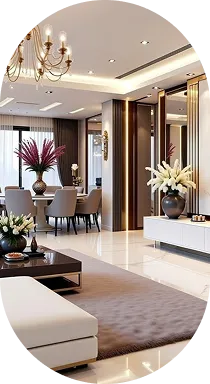
Quietly Crafted. Deeply Felt.

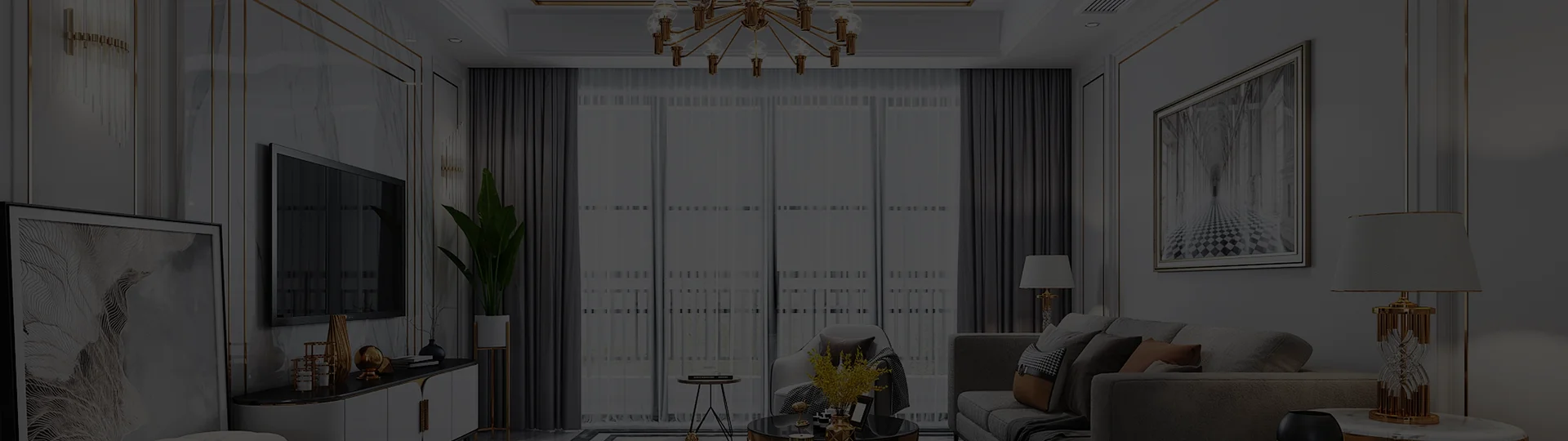
Blog Detail
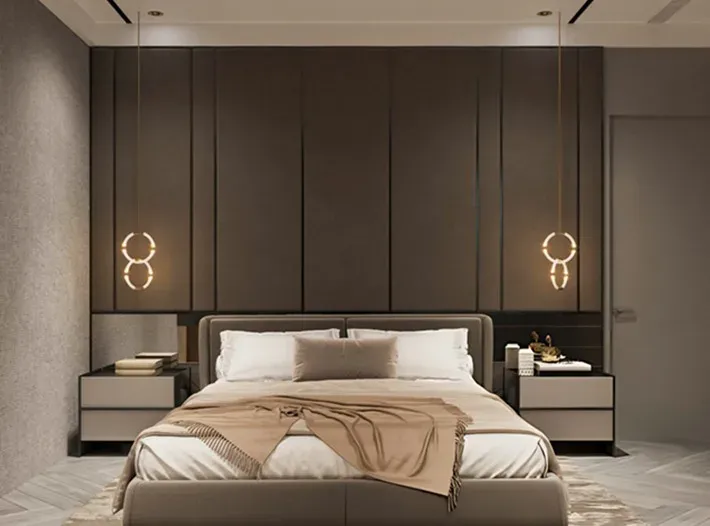
Can a home feel luxurious without being loud? Step into a residence where sunlight spills across textured walls, where the grain of hand-carved wood invites touch, and furniture seems to shift to meet your needs. This is smart luxury, where every detail anticipates your life and beauty, comfort, and intelligence converge effortlessly.
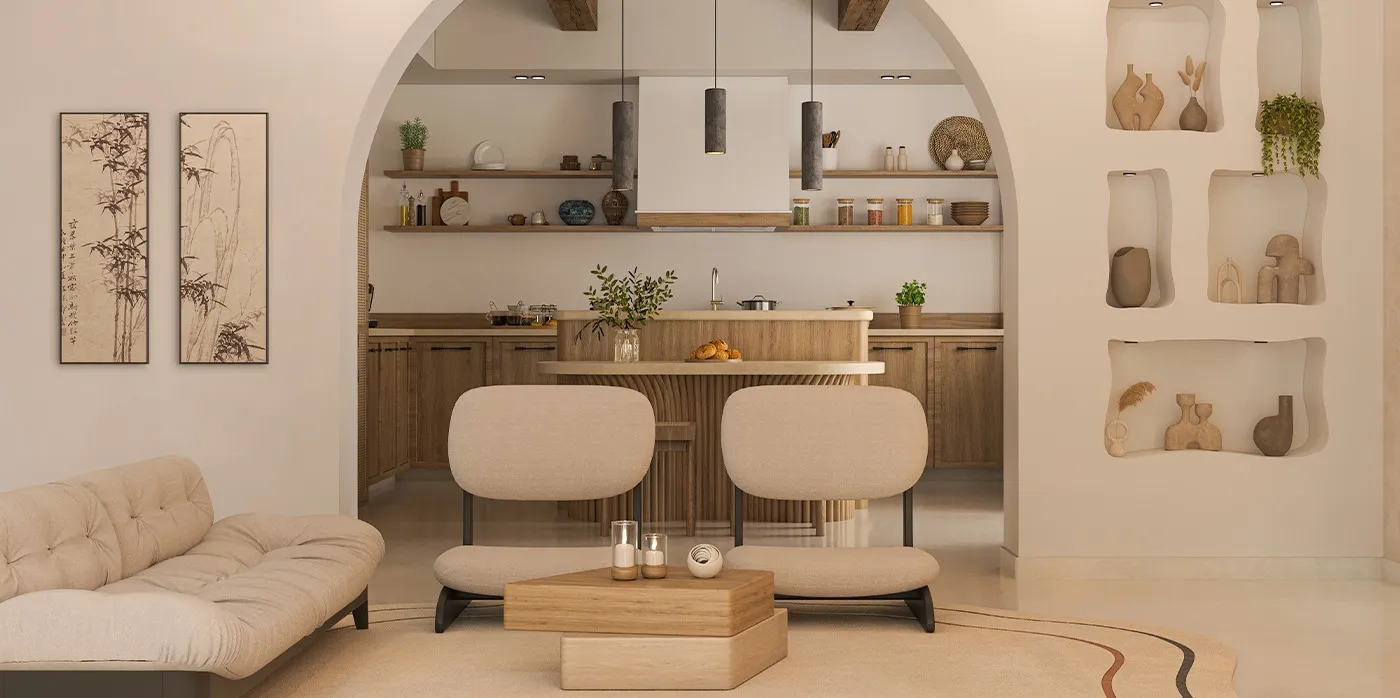
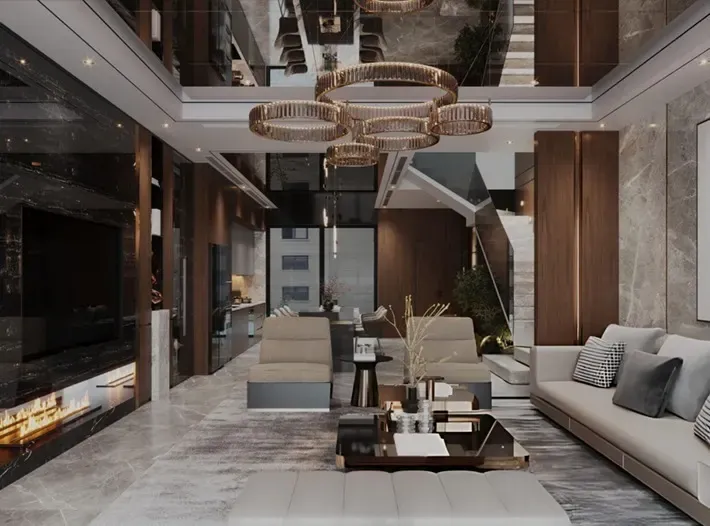
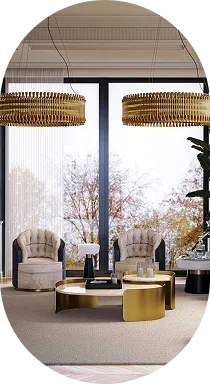
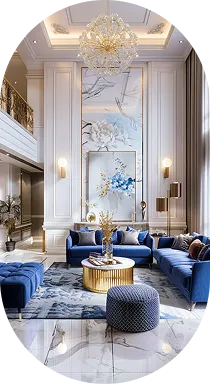
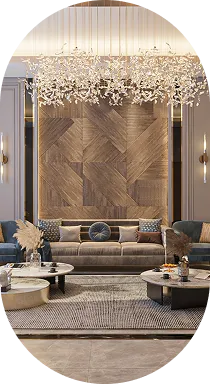
Step into a home crafted with smart home interior ideas, and the difference is immediate. The living area flows naturally into the dining space. There is movement to light on the textured walls that changes with the movement of the day. Furniture changes according to your needs. Technology occurs without being obtrusive. Every detail is taken into consideration, and the space looks large, serene, and vibrant. That is what luxury interior design tech integration is all about: when each decision improves every day without making noise.
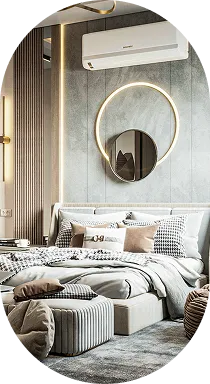
Spatial intelligence is the core of contemporary luxury. Households are no longer a group of separate rooms. They are dynamic, versatile, and operative. Multifunctional space planning ideas allow living rooms to double as workspaces, bedrooms to transform into quiet retreats or creative studios, and kitchens to serve as both culinary and social hubs. Each area works harder, yet maintains elegance.
High-end homes in Mumbai, Gurgaon, and Bangalore are leading this trend. Designers focus on movement, light, and use patterns to shape interiors that feel effortless. A hallway might house a cozy reading nook. A guest room can easily serve as a home office. Modular furniture, retractable tables, and hidden storage make the spaces versatile while keeping a clean, uncluttered look. According to Knight Frank India, 55% of high-net-worth homeowners now prioritize flexible and adaptable layouts that grow with their lifestyle.
Technology in luxury homes is no longer about gadgets on display. It is subtle and fully integrated. With luxury interior design tech integration, lighting, climate, security, and entertainment systems work together harmoniously. Smart sensors adjust the temperature and lighting automatically. Window blinds move to filter sunlight. Multi-zone music and cinema setups blend perfectly with the interiors, creating experiences that are both practical and refined.
A home with well-executed technology does not feel futuristic; it feels intuitive. Every device, every feature, every adjustment is designed to make living smoother, not complicated. A study by Statista shows that by 2026, over 40% of luxury homes in India will feature integrated smart systems, reflecting the growing desire for tech-enabled, seamless living.
Efficient design is central to efficient space planning for luxury flats. Designers are using every inch thoughtfully. Kitchens feature hidden storage for appliances. Bedrooms have hidden drawers and multi-purpose wardrobes. Residential places do not feel cramped. Even tiny terraces or balconies are undergoing a change into either leisure or work-related spaces.
Furniture plays a critical role. Foldable chairs, retractable beds, and modular sofas make rooms adaptable without losing style. Materials are chosen for their durability and visual warmth. Textured woods, stone surfaces, and soft fabrics combine to create a home that is both practical and luxurious. Here, efficiency is not sterile; it adds to the sense of calm and space.
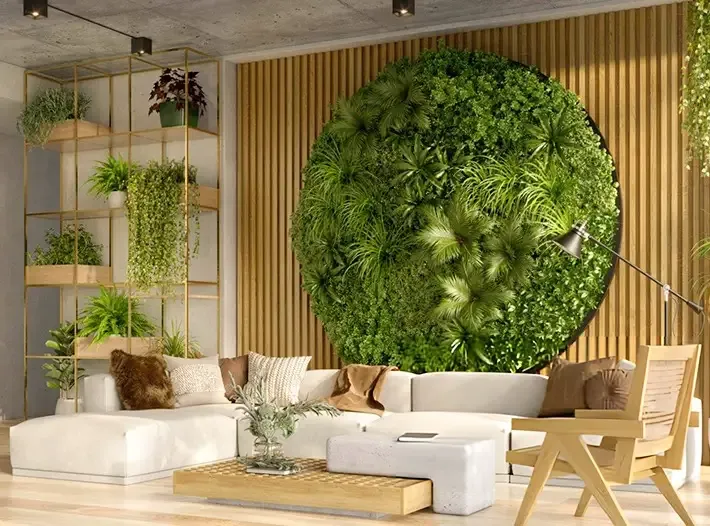
The 2026 trends of modern Indian home design focus on balance. The backgrounds consist of neutral color palettes and natural textures. Wood, stone, and textile materials are complemented by light earth tones, muted blues, and warm beige. All the details are purposeful, the placement of lights, the proportion of furniture make the spaces personal and well-considered.
Luxury is no longer separable from sustainability and wellness. Homeowners are incorporating natural lighting and ventilation, environmentally friendly materials, and spa areas such as yoga rooms or meditation rooms. Luxury is concerned with the value in the long term and comfort. Luxury Housing Insights India has asserted that home design has adopted the use of sustainable and efficient features as a priority for most premium homeowners.
The ultimate sign of luxury is personalization. Homes are curated, not decorated. Bespoke touches make interiors distinct. Every product has a story, starting with a hand-carved console table to built-in wall units that would suit a particular routine. Interior design solutions for premium homes aim at making homes habitable and expressive.
The combination of smart home interior concept, technology, and considerate design makes the home not only functional but also appealing to its residents. The space is integrated with a family lifestyle, which simplifies daily life, makes it more comfortable, and beautiful.
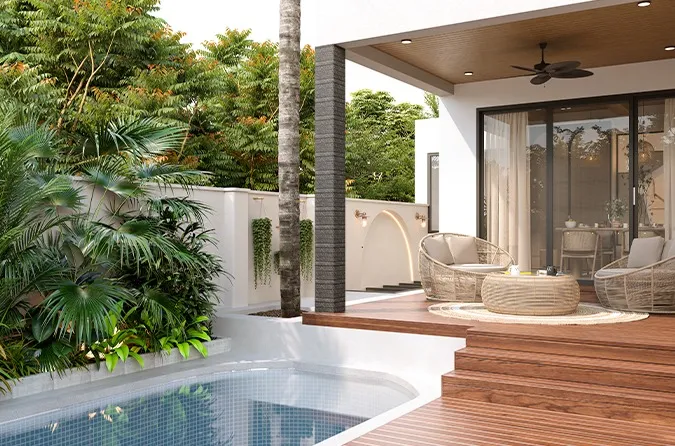
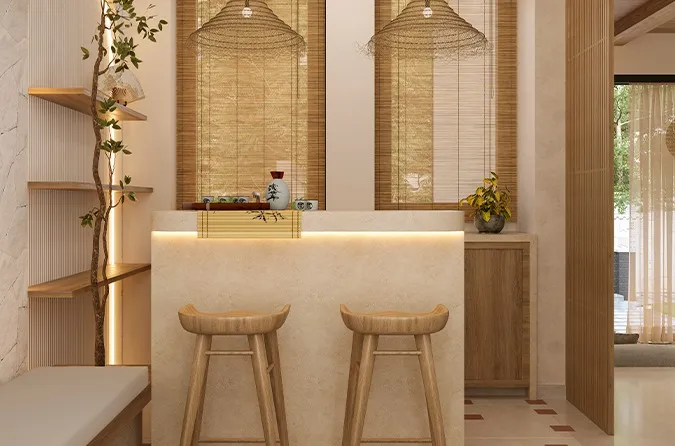
Luxury interiors in 2026 are defined by adaptability, intelligence, and subtle sophistication. Homes that anticipate the needs of residents, balance technology with design, and prioritize personal comfort represent the future. The combination of multifunctional space planning ideas, efficient space planning for true luxury flats, and luxury interior design tech integration sets a new standard.
The modern Indian home is no longer static. It flows, adjusts, and evolves. Each room serves multiple purposes without losing elegance. Every technology integrates naturally into daily life. And every design choice is intentional. This is not just a home. It is a living, breathing environment where style and practicality coexist effortlessly.
Smart home interior ideas include automated lighting, climate control, integrated security, and entertainment systems. These features blend seamlessly with interiors, creating homes that feel intuitive, efficient, and elegant for modern Indian luxury living.
Luxury interior design tech integration combines style with function. Smart lighting, climate control, and concealed multimedia systems enhance convenience while preserving aesthetic appeal, making premium homes more comfortable and visually cohesive.
Multifunctional space planning ideas involve modular furniture, flexible layouts, and convertible rooms. These solutions allow spaces to serve multiple purposes without compromising comfort, style, or efficiency, which is essential for high-end urban homes.
Modern Indian home design trends 2026 emphasize adaptable layouts, neutral palettes, technology integration, and personalized wellness zones. They create functional, elegant, and future-ready spaces for premium homeowners.
Interior design solutions for premium homes use hidden storage, intelligent layouts, and custom furniture to optimize space. These solutions make homes feel expansive, organized, and comfortable while maintaining luxury aesthetics.